‘Barni’ Director Mohammed Sheikh On Inspiring A New Generation Of Somali Filmmakers

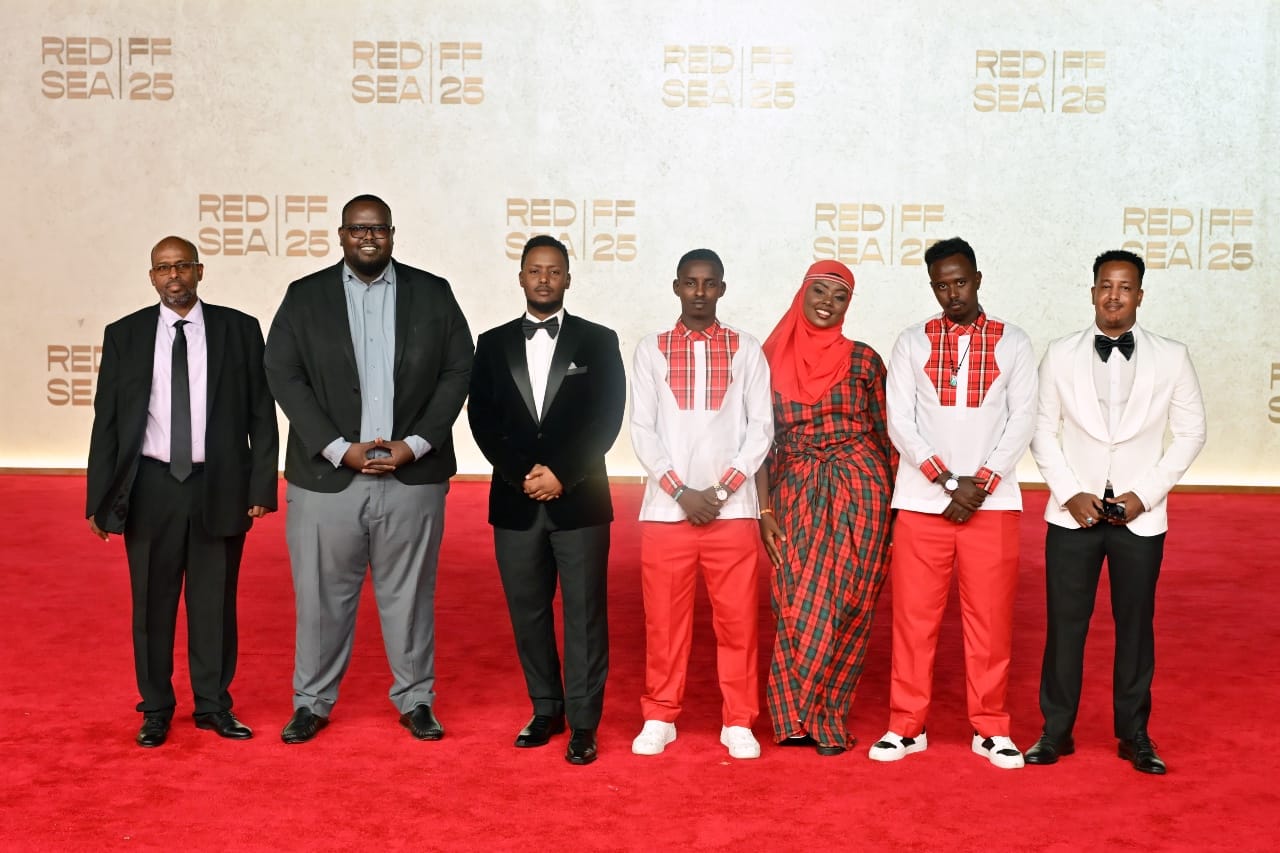
Minnesota-based Somali filmmaker Mohammed Sheikh has just held the world premiere for his debut feature, Barni, which he filmed in Djibouti, at Red Sea International Film Festival.
Born in the Kebribeyah refugee camp in Ethiopia – where his parents fled during the Somali Civil War – Sheikh moved to the US with his family at the age of 17, attended high school and university, then taught himself filmmaking from studying tutorials on the internet. He founded Minnesota-based production company Aleel Films in 2018.
“I didn’t have any formal training – I just taught myself everything, starting as a writer and learning the rules of script,” says Sheikh, the day after his premiere in Jeddah, which he attended with the three main members of his cast.
“You know our generation, we just Google everything, and we just get on and do it. I made about seven shorts film before Barni. People loved my last short, Balwo, when it screened at Minneapolis St Paul International Film Festival, so that gave me the confidence to write a feature.”
Like many of this short films, Balwo is about the day-to-day lives of the Somali community in the state of Minnesota, which has the largest population of Somali diaspora in the US. He says representation is a key aspect of his filmmaking as Somalis are usually portrayed in Hollywood media as either pirates, warlords or terrorists, with very few speaking roles. Then of course, Minnesota’s Somali community has recently been in the crosshairs of US President Donald Trump in his on-going attacks on immigration.
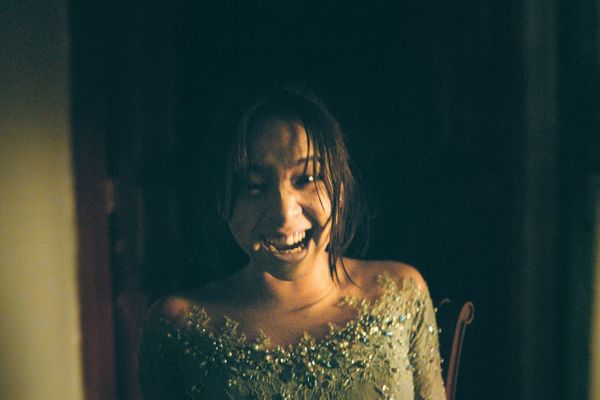
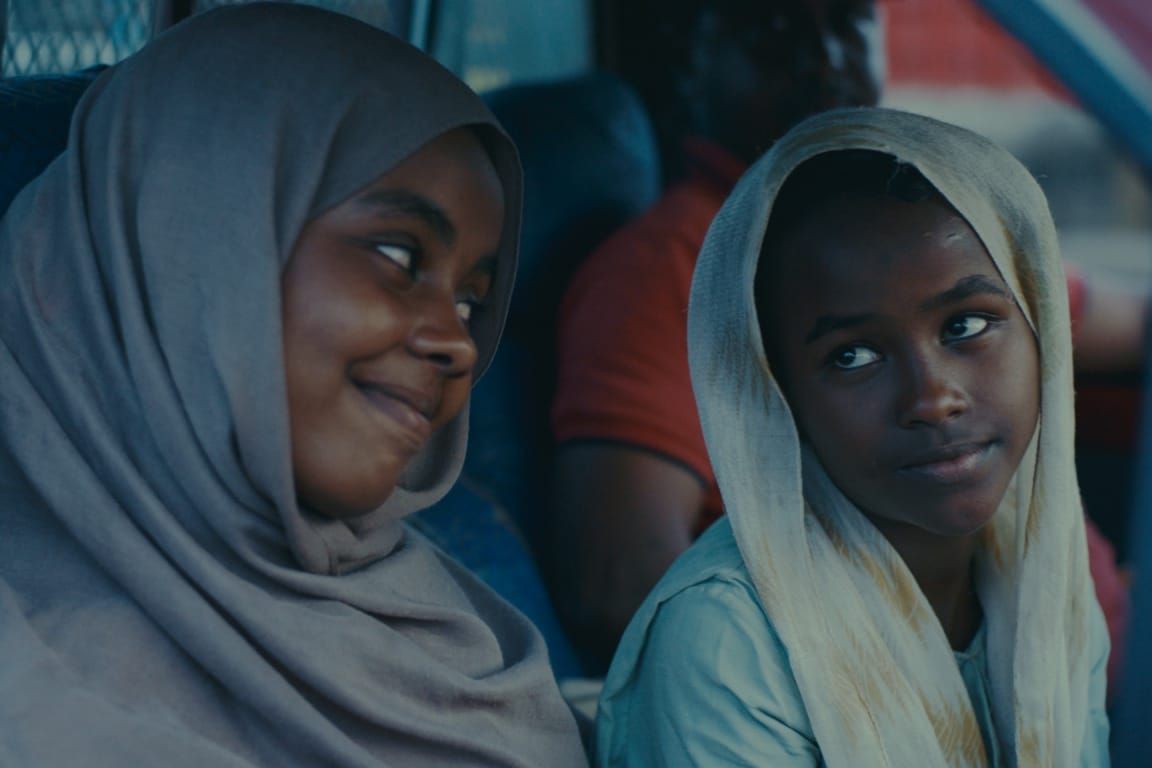
But Sheikh says he also wants to address universal themes in his filmmaking. Barni is a coming-of-age story following three teenagers from the countryside who travel to the big city in search of a young girl who goes missing during a wedding. While the story follows the search, it’s also about the journey of the trio of friends, initially naive and awestruck when they arrive in the port side city, and how they adapt to big city life.
Sheikh managed to track down a Somali producer, Abdirahman Fiili, and Brazilian cinematographer, Rafael Mattar, to help him on the film – reaching out through Instagram as resourceful Gen Z filmmakers are wont to do. Although based in Somalia himself, Fiili recommended they shoot the film in neighbouring Djibouti, which is more stable, and where they could count on some government support. “They helped with things like accommodation for the cast and crew,” says Sheikh. “We kept the shoot minimalistic; natural light, real locations; we didn’t stage anything.”
Djibouti also has a large population of Somali speakers who could act in the film. Following an open casting call, Sheikh cast first-time actors Salma Ahmed and Fouad Hassan as two of the teenagers, along with Hamza Mohamoud, who had some prior experience working on The Gravedigger’s Wife, from Somali-Finnish filmmaker Khadar Ayderus Ahmed.
Not surprisingly, funding was the biggest challenge when making the film. Sheikh had some cultural grants, including a Jerome Hill Artist Fellowship, and the production received support from the Arab Fund for Arts and Culture (AFAC) and Djibouti government’s National Agency for the Promotion of Culture. But it was still a challenge to keep everything on track. “When casting, we were looking for young people who were friendly and joking with us, so you know if the money runs out they will still finish the film. That was important for me because I knew that anything could happen.”
Somali music is another important aspect of the film. Somali artists, such as Aamina Camaari, with her hypnotic Bollywood-inspired singing style, have been gaining more international attention recently, along with the remarkable story of the Somali music industry, which nearly lost its entire archive of recordings during the Civil War. Barni has one scene, a coy song-and-dance moment exchanged between two of the teenagers by a fireside, that is straight out of a Bollywood film.
Sheikh laughs when asked if he’s influenced by Bollywood. “That’s absolutely right – I was first introduced to filmmaking through the films of Shah Rukh Khan. We’ve seen all his films translated into Somali. But when I moved to the US, I was also introduced to the Hollywood style of filmmaking and maybe right now I’m influenced a little more by Iranian filmmakers like Abbas Kiarostami and Asghar Farhadi. The more I learn, the more I’m gravitating towards those more minimalistic, but also emotionally heavy films.”
For Barni, Sheikh also worked with a sound team that included Ugandan sound mixer SSemujju Isima and two Minnesota based talents – composer Ryan Williams, who listed to a wide range of Somali music before writing the score, and sound editor Raymond Bell Jr.
Sheikh is now developing a documentary about the recent discovery of thousands of lost recordings from the golden age of Somali music in the 1970s and '80s, which mixed traditional Somali sounds with funk, rock, jazz and, of course, Bollywood influences. “Can you believe they found 14,000 cassette tapes just sitting there in Hargeisa, not digitised, and with just one guard protecting everything” says Sheikh. “So my film will focus on the efforts to digitise and protect this musical legacy.”
Also in development is a second fiction feature, The Palace Of The People, a political drama that Sheikh hopes to shoot in Mogadishu. “We want to hire people in Somalia; like we did in Djibouti, the assistant director, the other producer, everyone was from Djibouti, so we created jobs for that small period of time.”
Sheikh is one of a small but growing number of Somali diaspora filmmakers having an impact internationally. The Gravediggers Wife screened in Cannes Critics Week and Toronto film festival in 2021, while The Village Next To Paradise, directed by Somali-Austrian filmmaker Mo Harawe, played in Cannes Un Certain Regard in 2024.
“We’re in a nice place right now – filmmakers like myself who are based in the US or Europe – we’re inspiring the young generation in Somalia,” Sheikh says. “Filmmakers are popping up back home and asking questions, like how did you do it? But obviously funding is the problem for them right now.”
Sheikh says he didn’t know about the Red Sea Fund when making Barni, but heard about the festival and submitted the film without any expectations. “When I finished the film, I was like, okay I’ll just keep it on my laptop, I've learned a lot and I’ll just move on. My heart was full but then I decided to give it a try and submit to a few festivals.”
Judging by the amount of meetings Sheikh has been having during his stay in Jeddah, he’s likely to get a lot more support for his next film.