Doha Film Festival Keeps Spotlight On Arab & World Cinema Despite Regional Conflict
Second edition of the Qatar-based festival will open with Sara Ishaq's The Station while 15 titles have been selected for the International Feature Competition.

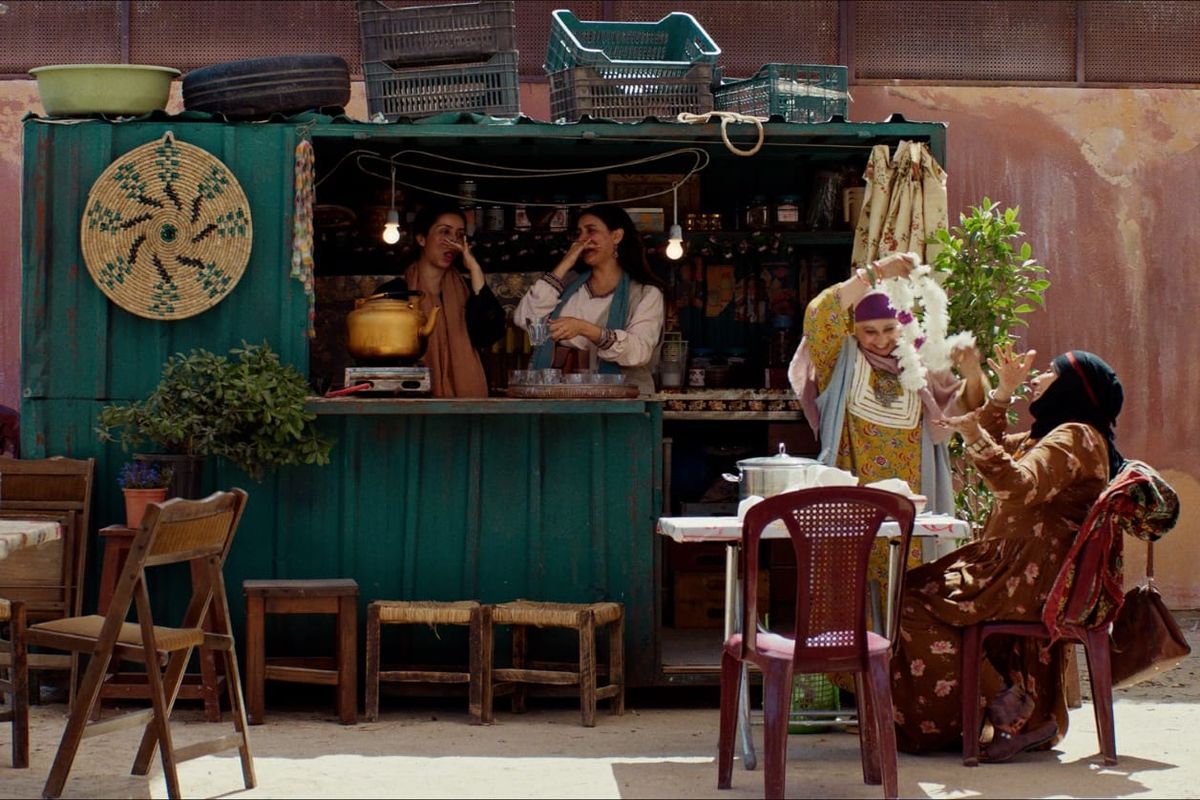
Doha Film Festival kicks off on November 19 with the MENA premiere of Sara Ishaq’s The Station, a main competition section featuring 15 titles, several sidebars and a programme of music performances, talks and community events.
The festival has managed to stay on track with its second edition despite the various conflicts in the region, including the US-Iran war and Houthi activity in the Red Sea and Yemen.
Of course, Streamlined spoke too soon when we said back in August that the festival circuit in the Southwest Asia & North Africa (SWANA) region was holding steady. Red Sea International Film Festival cancelled its 2026 edition, originally scheduled for December, a few months ago, although major events including Egypt’s El Gouna and Cairo film festivals have gone ahead as planned. Marrakech International Film Festival, located further away from current conflicts, opens on November 20.
Ishaq’s debut feature, The Station, set in a women-only petrol station in war-torn Yemen, was backed by Doha Film Institute (DFI) funding and also has partners from Jordan, France, Germany, Netherlands and Norway. The film premiered in Cannes Critics Week and has also been selected for Doha’s 15-title International Feature Competition.
In total, the competition section includes 11 films backed by DFI, with seven directed by women, 13 MENA premieres and one world premiere – Gaza-set documentary Sama, from Palestinian filmmaker Rabab Khamis.
The festival will be handing out $185,000 in awards. Japanese filmmaker Naomi Kawase is heading the jury, which also includes French-Tunisian actor Adam Bessa, Tunisian producer Dora Bouchoucha, Palestinian filmmaker Kamal Aljafari and Italian documentary filmmaker Gianfranco Rosi.
In addition to Sama, the competition line-up includes three other Palestinian features: Thirteen In Gaza, from Hosam Abu Dan, about a motherless teenager coming of age in a Gaza displacement camp; Muayad Alayan’s Conversation With The Sea, about a Palestinian man in Jerusalem ordered to pay debts on behalf of his dead son; and documentary Revolutionaries Never Die, from Mohanad Yaqubi, which won the Special Jury Prize in Locarno's Filmmakers of the Present competition.
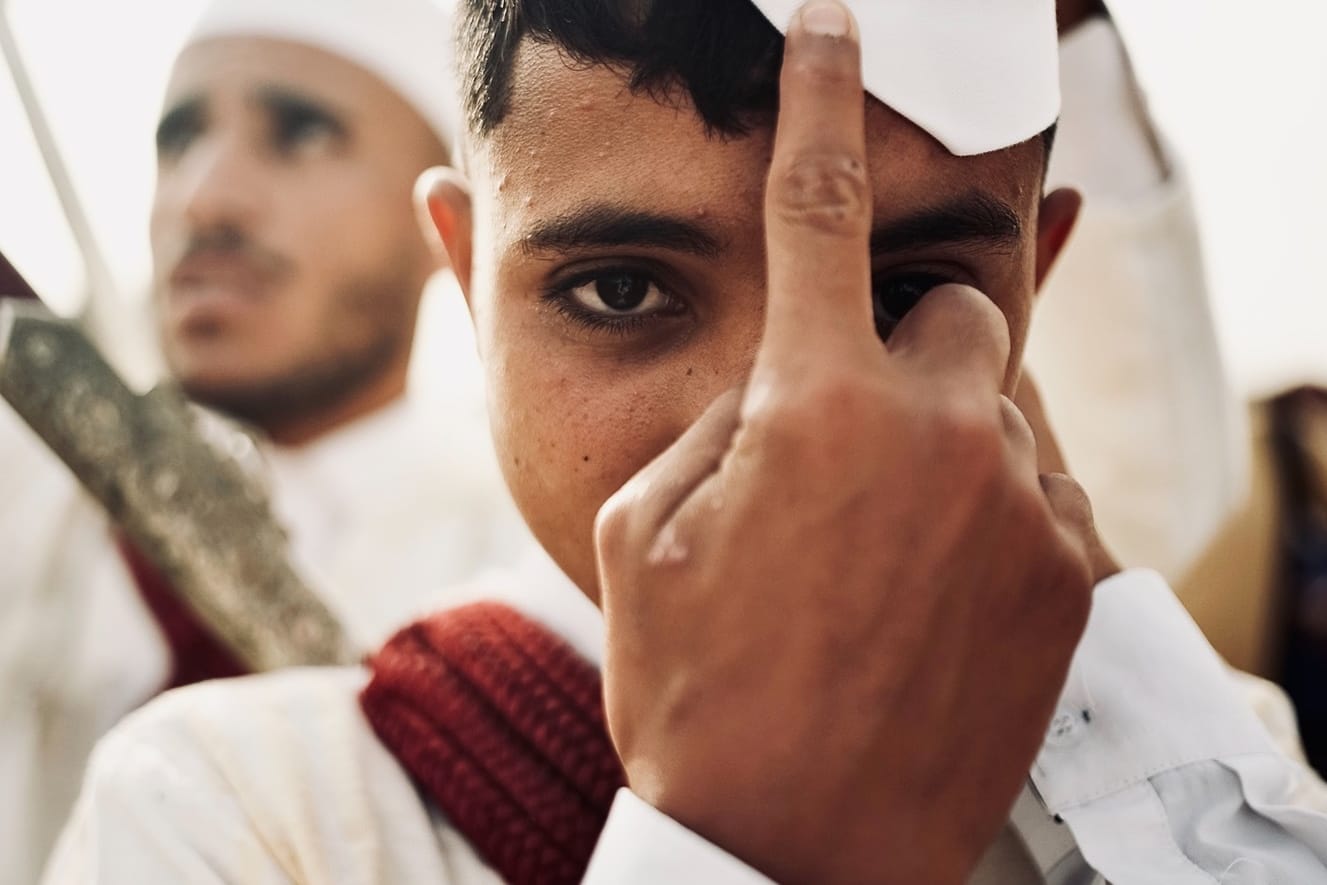
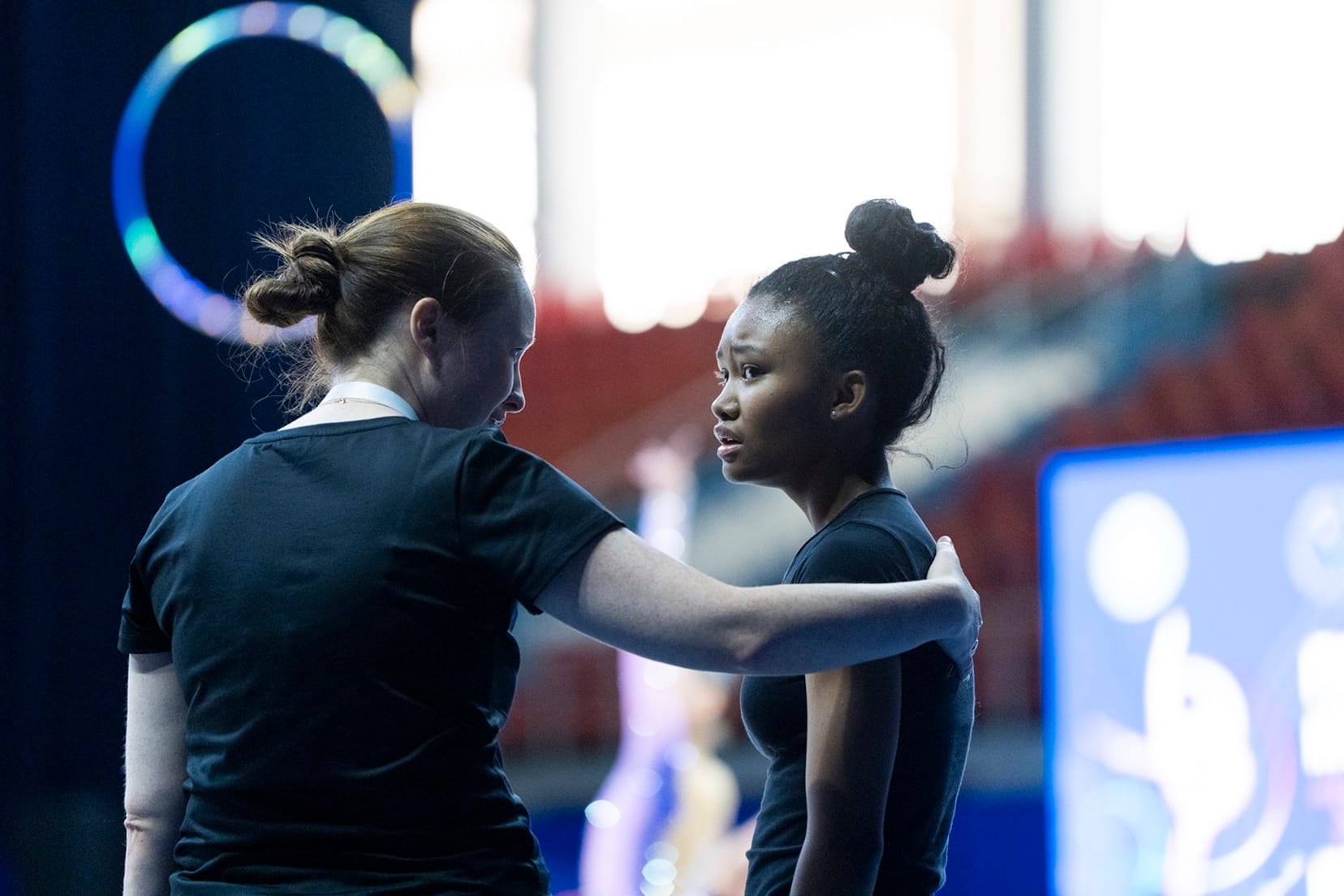
Doha's competition section also includes Asmahan Bkerat’s documentary Concrete Land, following an Afro-Palestinian Bedouin family on the outskirts of Amman; Tala Hadid’s hybrid doc Bardi, about the ancient equestrian art of Tbourida in Morocco; and two films from sub-Saharan Africa: Cameroon-set House Of The Wind, from Auguste Bernard Kouemo Yanghu, which won the Lion of the Future award in Venice Horizons, and Hugo Salvaterra’s Angola-set My Semba, which won the Feature Film Competition Award at Innsbruck.
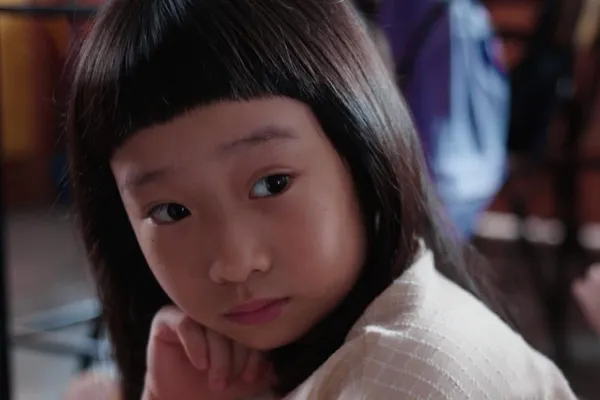
From East Asia, the competition line-up also includes Thailand’s 9 Temples To Heaven, which premiered in Cannes Directors Fortnight; China’s A Girl Unkown, which won the FIPRESCI Prize in Cannes Critics’ Week; and Filipiñana, from the Philippines’ Rafael Manuel, which won a World Cinema Dramatic Special Jury Award at Sundance.
Competition titles from the Americas and Europe include Manuela Martelli’s The Meltdown, set in post-dictatorship Chile; The Illusion Of An Everlasting Summer, a documentary from Alessandra Sanguinetti set on the Argentine pampas; and Alexander Murphy’s Tin Castle, following an Irish traveller family.
Outside of the main competition, Doha’s sidebars include two other competitive sections: Made In Qatar, screening eight short films made in or with Qatar, and the youth-focused Ajyal Film Competition, screening five features and 12 shorts from international filmmakers. Features in the Ajyal selection include Cannes Camera d’Or winner Ben’Imana, from Rwanda’s Marie-Clémentine Dusabejambo, and Japanese filmmaker Kohei Kadowaki’s animation We Are Aliens, which premiered in Cannes Directors Fortnight.
Non-competitive sections include Cinema Alkhaleej, screening features and shorts from the Gulf region, and Gala and Special Screenings. Two Saudi features will screen in Cinema Alkhaleej – Ahd Kamel’s My Driver And I, and Hisham Fakih’s Soulala.
Gala screenings include Maiken Baird’s Edward Said: Between Worlds, Bruno Dumont’s Red Rocks and James Gray’s Paper Tiger, among other titles (Jeffrey Walker’s Fing! was withdrawn due to its association with David Walliams, following sexual harassment allegations). Special Screenings include titles such as Artou, the first immersive film by Abderrahmane Sissako, and Ali El Arabi’s 52 Blue, about a young man trying to meet his idol, Lionel Messi, at the Qatar World Cup.
In addition to the Made In Qatar section, several homegrown productions are screening in other sections of the festival, demonstrating the growth of the local industry. These include four features – Jamal Al Khanji’s Jodari Meno, Mohamed Deniz’ A Very Ordinary Life, Rodrigo Vazquez Salessi’s First To Fly and When the News Breaks You, from Hamad Al Hajri – and an episode of Elzam, an original series produced by Katara Studios.
It’s a busy line-up and one that reflects DFI’s history in supporting Arab and international cinema. Doha only became a fully fledged festival last year, after several years of running the youth-focused Ajyal Film Festival in November, although from 2009-2012 it partnered with New York's Tribeca Festival on the Doha Tribeca Film Festival. DFI also runs the Qumra talent incubator programme, which connects emerging filmmakers and their projects with international experts, and usually takes place in March.
Of course, Red Sea Fund is also backing Arab, African and Asian films, and is continuing with its funding and labs activity, even though the festival has been postponed to next year. Along with industry programmes at the Amman, El Gouna, Cairo and Marrakech film festivals, this has resulted in a lively circuit in the SWANA region that is increasingly reaching out to content industries in the rest of Asia.
Due to family obligations, Streamlined will not be attending this year’s Doha festival, but recently interviewed the DFI about how its fund works, particularly in terms of supporting Asian cinema. We’ll publish that interview tomorrow as part of our Streamlined Insights series.
DOHA FILM FESTIVAL 2026:
INTERNATIONAL FEATURE COMPETITION:
9 Temples to Heaven (Thailand, Singapore, France, Norway, China, Hong Kong, Indonesia, Qatar)
Dir: Sompot Chidgasornpongse
Bardi (Morocco, France, US, Qatar)
Dir: Tala Hadid
Concrete Land (Jordan, Palestine)
Dir: Asmahan Bkerat
Conversation With The Sea (Palestine, Netherlands, Saudi, Qatar)
Dir: Muayad Alayan
Filipiñana (Singapore, UK, Philippines, France, Netherlands, Qatar)
Dir: Rafael Manuel
A Girl Unknown (China, France)
Dir: Zou Jing
House Of The Wind (Cameroon, France, Belgium, Benin, Saudi, Qatar)
Dir: Auguste Bernard Kouemo Yanghu
The Illusion Of An Everlasting Summer (US, Argentina)
Dir: Alessandra Sanguinetti
The Meltdown (Chile, US, Spain, Mexico)
Dir: Manuela Martelli
My Semba (Angola, Qatar)
Dir: Hugo Salvaterra
Revolutionaries Never Die (Palestine, Belgium, Qatar)
Dir: Mohanad Yaqubi
Sama (Palestine, France, Qatar)
Dir: Rabab Khamis
WORLD PREMIERE
The Station (Yemen, Jordan, France, Germany, Netherlands, Norway, Qatar)
Dir: Sara Ishaq
Thirteen In Gaza (Palestine, Qatar)
Dir: Hosam Abu Dan
Tin Castle (Ireland, France)
Dir: Alexander Murphy
MADE IN QATAR:
Abu Fanoos (Qatar), dir: Amira Abujbara & Horia El Hadad
After The Rain (Qatar), dir: Kholood Al Ali
Constant (Kuwait, Qatar), dir: Maysaa Almumin
Crawling Into Myself (Qatar), dir: Hamad Al Fayhani
Ghafleh (Qatar, Lebanon), dir: Tony El Ghazal
In The Silence After (Qatar, US, Colombia), dir: Sebastian Delascasas
Kantqtaa (Qatar), dir: Yazid Taki
Light To Ashes (Qatar, France), dir: Nadia Al-Khater