Saudi & Egypt Emerge As Box Office Bright Spots In MENA Region

Box office growth in two MENA markets dominated discussions during the Souk Talks at this year’s Red Sea International Film Festival. Saudi’s box office picked up this year, after a slump in 2024, due to a diverse range of local and international titles. Meanwhile, the Egyptian market is on course to surpass pre-Covid levels, also thanks to the success of local films.
Saudi box office – which has grown rapidly to become the the region’s largest market since cinema-building started in 2018 – has already overtaken last year’s takings with $230m, according to figures from the Saudi Film Commission (SFC). However, the market appears to have plateaued since it reached the $250m level in 2022.
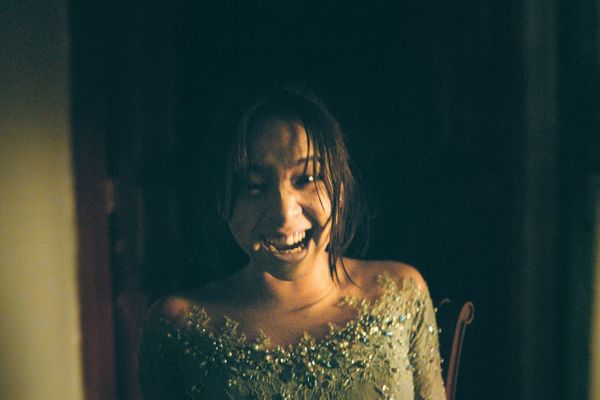
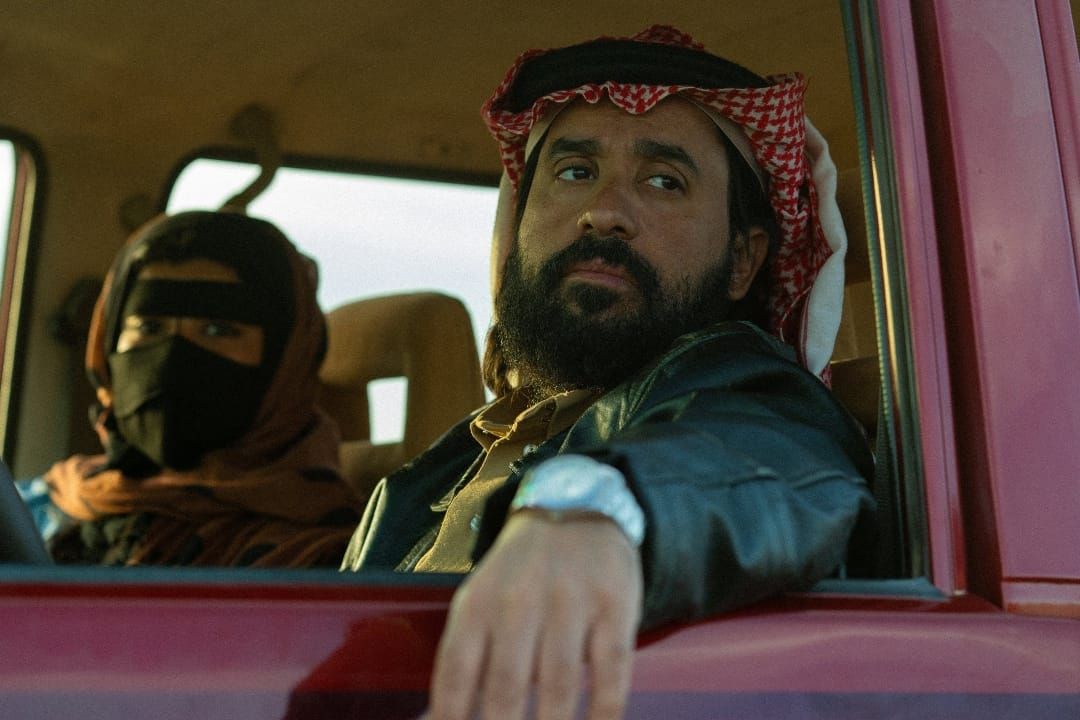
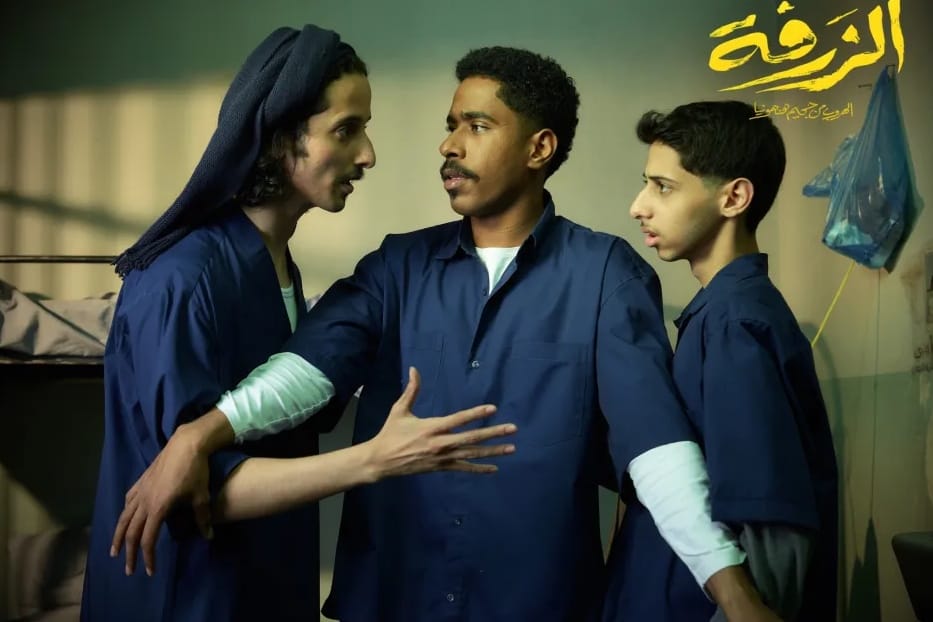
Local films are helping drive box office revenues, accounting for a market share of between 14-23%, depending on whose figures you’re looking at. Saudi hits this year have included heist caper Alzarfa: Escape From Hanhounia Hell, the highest-grossing local film of the year with $8.2m; comedy sequel Shabab Al-Bomb 2 with $7.4m, and Bedouin drama Hobal with $6.6m, which are all ranking in the top ten. Alzarfa ranks third overall behind F1: The Movie and Lilo & Stitch.
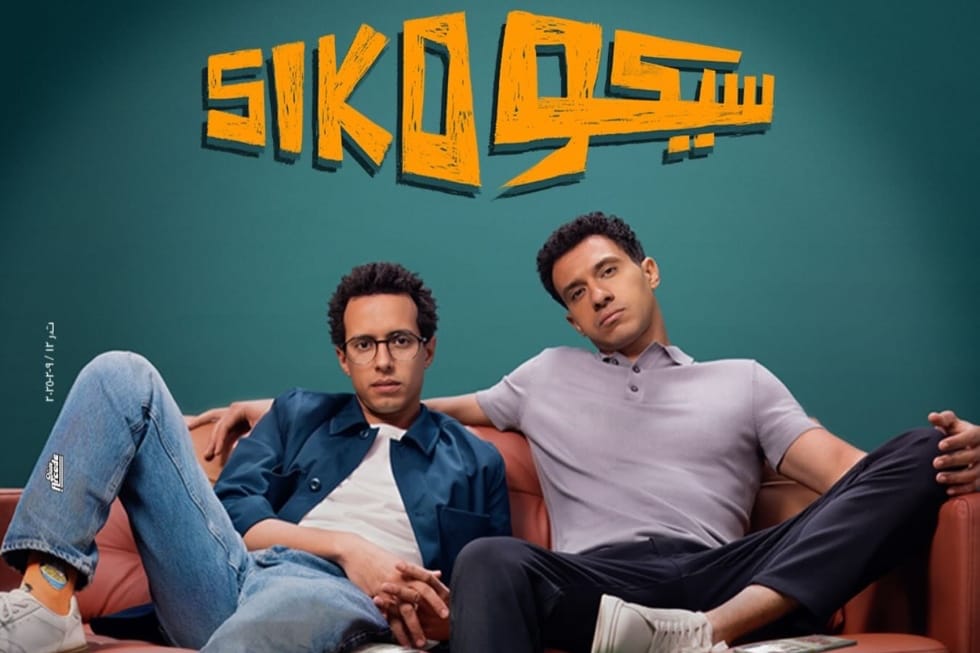
Meanwhile, the Egyptian market, historically the most prolific producer in the region, is expected to close the year with box office revenue of $37m (EGP1.8bn), close to or even surpassing pre-Covid levels. Again, box office growth is being driven by a diverse range of local films, including mid-budget, star-driven comedies headed by Siko Siko, starring Essam Omar and Taha Desouky, which is currently the highest-grossing film of 2025 with $3.7m.
A report released during the recent Cairo International Film Festival revealed that arthouse films are also seeing stronger results in Egypt, with Khaled Mansour’s debut feature Seeking Haven For Mr. Rambo taking $341,000 to become the highest-grossing arthouse release in Egyptian history. Meanwhile, the highest-grossing non-Egyptian film is F1: The Movie ranking eighth with $1.2m.
Saudi has also emerged as a major market for Egyptian films, which collectively grossed $53m last year, more than double their domestic takings. That success is helping revitalise the Egyptian market and leading to a slew of Egypt-Saudi co-productions, such as Hani Khalifa’s Flight 404, selected as Egypt’s Oscar entry last year.
UNPREDICTABLE MARKETS
Trends in both markets were discussed at two panels during the Red Sea Souk Talks – ‘What The Market Wants’, which looked at the market across MENA, Europe and North America, and ‘Understanding The Saudi Audience’, which examined the Saudi market for both film and streaming.
On the Saudi audience panel, Ahmed Noureldin Ibrahim, Vox Cinemas’ KSA & Bahrain Marketing and Commercial Director, said a wide range of films – including US, Indian, Egyptian and local – are working in Saudi, and that “tribes” are developing around niche content such as Japanese anime and arthouse films: “So really it’s about the quality of the content you’re putting out. Then you need to target the right people, because the 'one size fits all' marketing strategy isn't working any more.”
He added that exhibitors are generally happy to show Saudi films, as they’re performing at the box office, and don’t have to pay the 5-15% tax imposed on foreign releases, although as Hollywood films are also doing well, it wouldn’t make sense to up against the latest installment in the Mission: Impossible franchise.
While summer is Saudi’s major box office season, as kids are off school and audiences keen to escape the heat, the first quarter is also starting to pick up with hits like The Beekeeper in January 2024. However, Ramadan is a season in which audiences stay at home and generally don’t visit the cinema.
Alaa Fadan, CEO of production outfit Telfaz11, which produced comedy hits including Alzarfa: Escape From Hanhounia Hell, Sattar and Night Courier (Mandoob), said the theatrical market was at a stage where it’s important to diversify. “Saudi’s audience has a wide range of varying tastes; for us to grow the market, we need to take a risk and cater to those different tastes,” said Fadan. “Success does not lie in replicating something that worked before.”
He explained that Telfaz11 is currently developing a slate across a range of genres, including international co-productions, with a focus on working with new talent. The Riyadh-based studio is also experimenting with the theatrical release of Annemarie Jacir’s historical drama Palestine 36.
On the TV side, MBC Studios head Zeinab Abu Alsamh talked about how streaming is driving Saudi viewing outside of the peak Ramadan season, which still belongs to traditional broadcasters: “Ramadan is very competitive, so there’s a golden opportunity for emerging talent to pitch a series that could run immediately before or after that season.”
Gianluca Chakra, CEO of Front Row Filmed Entertainment, which acquires international content for the whole MENA region, said the Saudi market is unpredictable, but then that’s no different to many theatrical markets these days: “It’s never a sure-fire bet. We’ve had really big titles that didn’t perform, whereas smaller high-concept titles, especially in a place like Saudi, when it clicks, it just catches fire and never stops." He name-checked Dangerous Animals and Talk To Me as titles that have clicked.
On the ‘What The Market Wants’ panel, Mad Solutions CEO Alaa Karkouti explained that Egyptian commercial cinema is thriving because it’s been experimenting with “very fresh, unexpected and unusual films.”
He also commented that the Saudi and Egyptian markets are unpredictable. “You will find many Egyptian films working well in Saudi Arabia, but not well in Egypt,” Karkouti said. “But on the whole, it’s healthy now in Egyptian cinemas, although there are issues with the [declining] currency. And it’s more open for the unexpected, as we could see with [Sudanese film] Goodbye Julia, which was the first non-Egyptian film to have success.”
However he also noted that there are four million Sudanese living in Egypt as a consequence of the war: “So there’s no pattern that you can keep repeating.”
ARTHOUSE STRUGGLES
On the arthouse side, Mad Solutions has calculated that admissions for Arab arthouse films across theatrical release, festivals and cultural screenings currently number around 10 million out of 350 million total.
Karkouti said that’s an improvement on several years ago, and thanks to social media, awareness of arthouse films and filmmakers is increasing: “The market is changing, but is all this reflecting on the box office? From time to time there are success stories, but in general, not yet.”
Mad Solutions is launching a distribution network, CineMAD, partnering with mainstream cinema chains to extend the audience for Arab arthouse films beyond the festival circuit. Karkouti noted it’s been a strong year for Arab titles, but that also makes it harder to carve out a space and build buzz for each film’s theatrical release. “We don’t want to position these titles as only arthouse cinema, we want to drive demand and ensure they’re films the audience wants to watch."
Karkouti also suggested that we need to redefine our definition of success when it comes to distribution, because it’s currently driven by breaking records, rather than measuring recoupment or sustainability. “There’s always this expectation that you have to keep growing at any cost, there should be expansion all the time, but perhaps if you’re just stable, that’s good enough,” Karkouti said.