Streamlined Guides: K-Content – The Price Of Owning A Hit

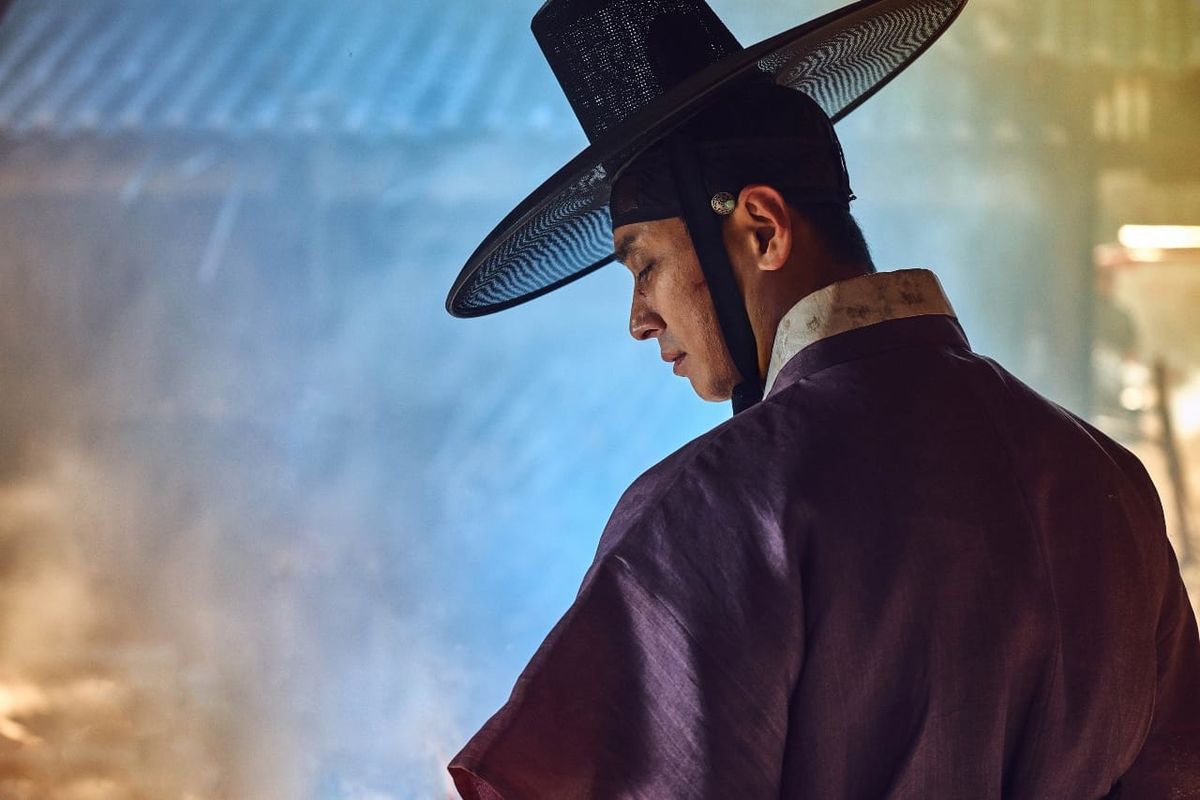
PART THREE: What a Korean producer keeps when a show is a hit, why the eight-episode season made the missing clause expensive, and what three deals taught the industry about the price of a Korean right.
Editor's Note: This is the third installment in a series that looks at the Korean content industry – how it evolved, where it stands now and which business models it could be adopting in the future. The series is written by Jaden Jaebum Park, a director and producer at Korean broadcaster MBC, who between productions writes about the economics of content industries. See the links at the end of this report for the first two installments.
The Price Of Owning A Hit
By Jaden Jaebum Park
Reborn Rich kept its rights and lost its sequel. Woo kept them and nearly lost the company. The clause Korean contracts never contain, and what it takes to use one.
In the last week of 2022 the most-watched drama on Korean cable was Reborn Rich (JTBC, 2022), a revenge story about a chaebol family’s fixer reborn as its youngest grandson. The finale drew 26.9% of the national audience, the highest rating of that year, on a budget of roughly KRW35bn ($26m). It was never a Netflix original, and it kept its rights at home. JTBC held the primary domestic rights and streamed the show across TVING, Netflix and Disney+; the international rights went to Viu, the Hong Kong-based regional streamer, as a Viu Original, licensed for defined windows, periods after which the rights come back.
The producers, SLL and Raemong Raein, kept portions of the format and remake rights. Talk of an English-language remake began within a year of broadcast, and a Thai version followed in 2024. In the vocabulary this series has been using, Reborn Rich held protection, the contractual layer that keeps rights with the people who made the work.
Then the sequel left. In 2024 Raemong Raein was taken over by Artist Studio, part of the group built around the actor Lee Jung-jae. In May 2025 the group announced a second season, set among global corporations, with a new cast. As of this week nothing further has been cast or scheduled. The company that held the producers’ share of the rights changed owners and name; the people who made the first season were absent from the announcement; the property went quiet in its new holder’s hands.
That is the shape of the clause that these reports explain is left on the table. A Korean production company does not usually lose leverage when the show fails. It loses leverage when the show works. The rights debate that divides the Korean industry more sharply than any other is usually conducted as a question of ownership: keep the IP or sell it. Reborn Rich kept it and still lost the sequel, because the clause that decides what a hit becomes afterwards is about time and people, and almost no Korean contract contains it.
![Reborn Rich [Photo: SLL]](https://storage.ghost.io/c/f6/3b/f63bba50-4e07-4fdb-a685-47f18f3c5b84/content/images/2026/10/Reborn-Rich1.jpg)
The Line That Was Never There
The contract that carries almost every Korean original is the cost-plus commission: the buyer pays the full production budget plus a margin, usually 10-20%, in tranches tied to milestones, and owns the result.
For a company living project to project, it is a sound deal at signing: the ratings, advertising and export risks sit with the buyer, and the producer makes payroll. What the same signature also moves is less visible. Global distribution, remake rights, merchandising, format adaptation, sequels and spin-offs, the viewing data: all of it goes across the table at once. These rights do not share a natural lifespan. Several could be carved out, windowed or set to return on a date. The buyout takes them as a single block.
In markets where mid-budget producers bargain with global commissioners, the block has been broken into pieces that can be kept or sold on their own: a participation rate in any sequel or prequel, fixed at the first signing, before a hit has changed the balance in the room; the right to reuse characters in spin-offs and other formats; first option for the original team on any continuation, with pay that survives delivery; remake or distribution rights for named territories; and a right to see what the work did in the market.
In Korea that menu does not exist. The last item matters most and is asked for least. Rights to a property and rights to the information about how the property performed are two different rights. They travel together in Korean contracts because the standard template never separated them, and the clause that separates them has to be written into the original deal. Whether the price of a first season should also be the price of every future use of the world it proves is a question the template never asks.
Squid Game (Netflix, 2021) set the scale of what moves. In 2023, the Writers Guild of America (WGA) came out of its strike with the right to see streaming data; no Korean producer has yet asked for it in a commission. The same habit sits in contracts nobody reports. ASTORY’s 2019 writing contract for Extraordinary Attorney Woo (ENA, 2022) drew no line between broadcast and streaming. The writer’s side went to court over whether the Netflix licence was a separate, compensable use of the script; a Seoul court dismissed the claim in April 2025 and the appeal in January this year, reasoning that by 2019 streaming was already the norm. The contract underneath Korea’s biggest global hit of 2022 was written as if the norm did not exist, and the company that held the rights wrote it.