Streamlined Guides: Streaming Levies & Investment Obligations Part Two
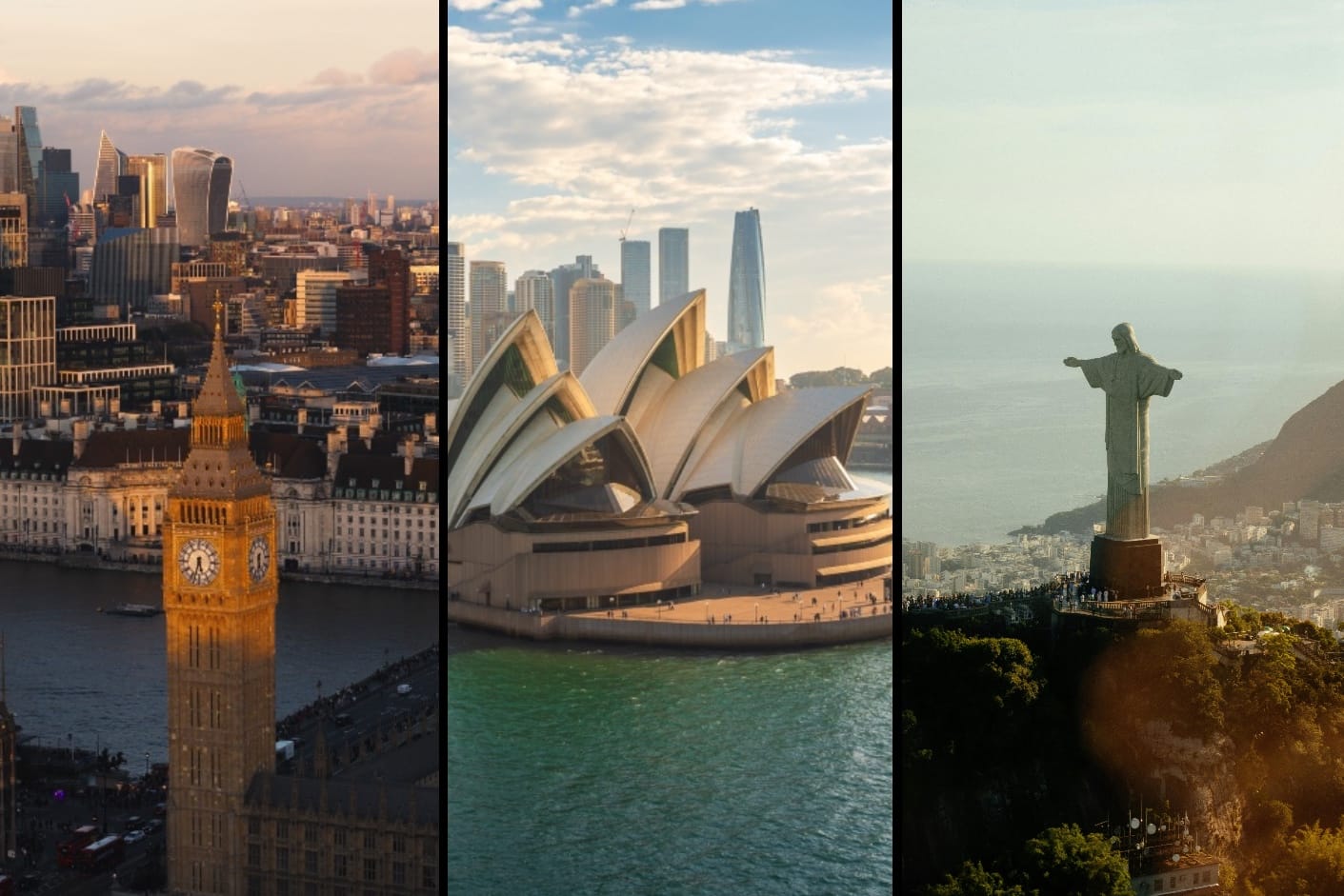
Part Two of this guide looks at how six international territories are regulating streamers: UK, Australia, New Zealand, Canada, South Africa & Brazil.


This is the second part of a Streamlined Guide that provides an overview of the current status of levies and content investment obligations for streamers around the world. Which countries have implemented them and why? Which countries are still considering them, or have decided against them, and why? While the first part of this guide focused on the European Union and some of its member states, this second part looks at the UK, Australia, New Zealand, Canada, South Africa and Brazil.
Streamlined Guides are totally funded by readers so the information in the report has been researched independently of any financial support from advertisers and/or film agencies. Contact details are not included in the report, but paid subscribers can DM me to discuss the best way to approach listed film agencies or companies, with Founding Member subscribers receiving priority on their queries.
INTRODUCTION:
As outlined in the first part of this guide, streaming levies are a kind of tax imposed by national governments on the revenues of streaming services, including global streamers such as Netflix, Disney+ and Amazon Prime Video, with the aim of funding local content production. The levy is usually calculated as a percentage of an individual streamer’s revenue within each country, which is then paid into a national film or content fund.
Content investment obligations are a requirement for streamers to invest a certain percentage or set amount of their revenue directly into local productions in a particular country. In some cases, the rules include sub-quotas requiring investment into specified languages or types of content, or to ensure that independent producers retain intellectual property rights.
These requirements aim to protect local film and TV industries from being dominated by global conglomerates, as well as to support cultural and linguistic diversity and ensure that minority and public interest programming is not overlooked (see Part One of this guide for more general information on levies and content investment obligations).
While around 17 countries in the European Union have so far implemented rules to protect their local film and TV industries, policy in the rest of the world has been mixed. The big four English-language production territories outside of the US – UK, Australia, New Zealand and Canada – are the most at threat of US productions crowding out their local voices and stories. All have considered levies but only Canada and, more recently, Australia have introduced them, not without considerable pushback from the global streamers and the industry organisations that represent them.
There has been little serious talk of levies and investment obligations in Asia, Africa and the Middle East. The global streamers have invested heavily in content in some territories – South Korea, Japan, India and to a lesser extent the Arab world, Thailand, Taiwan and Indonesia – but have mostly withdrawn from Africa and many smaller Asian markets. Some Asian governments have raised the issue but so far not made public proposals or introduced any rules.
African streaming is now mostly controlled by France’s Canal Plus, which has long been active in French-speaking markets and is in the process of acquiring South Africa’s Multichoice, which is strong in English-speaking markets. This report looks at moves to introduce streaming legislation in South Africa, which is the largest market in the continent in revenue terms, as well as Brazil, the biggest market in Latin America in terms of subscriber numbers.
UNITED KINGDOM:
The UK, which has not been part of the EU since 2020, has a thriving inward investment production sector, but in recent years, the country’s independent film and even high-end television (HETV) production sectors have been facing multiple challenges.