
Success Of ‘Ne Zha 2’: Could This Finally Be China’s Soft Power Moment?

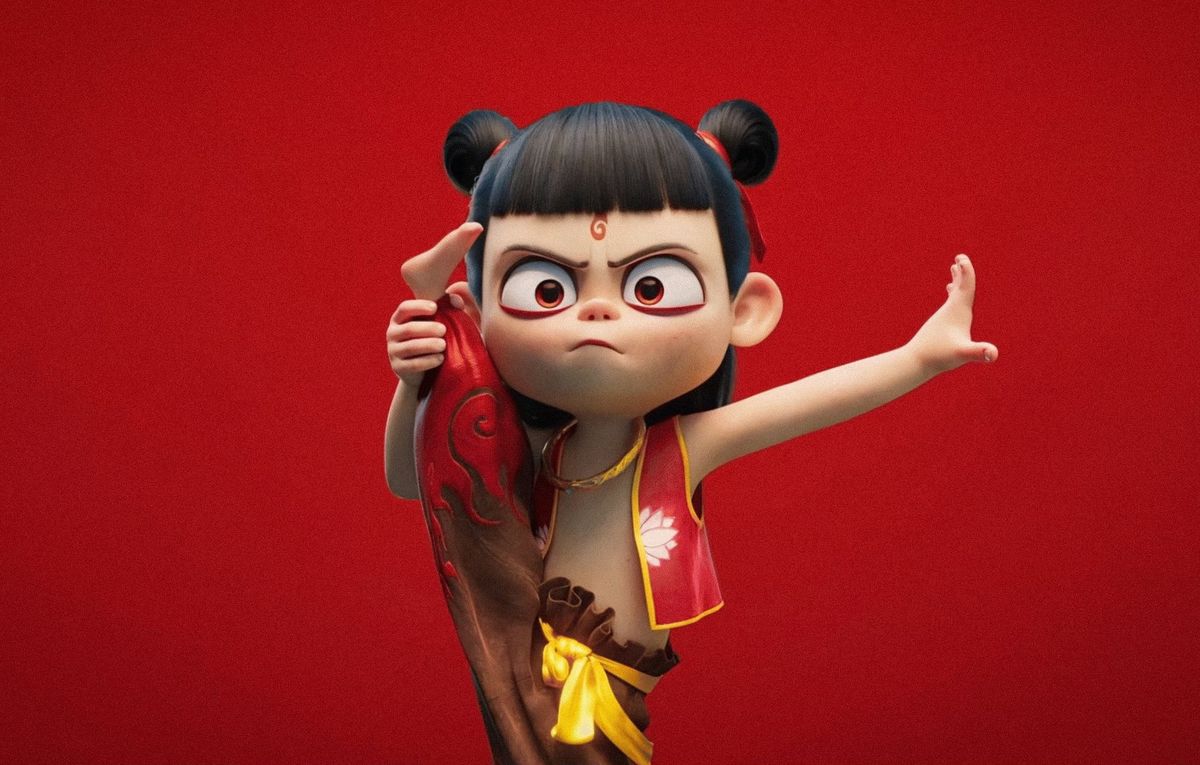
Last weekend I finally went to see Ne Zha 2 and began to understand why this Chinese animated film has grossed US$2bn. First the basics – it’s a visually jaw-dropping movie, truly epic in scale, but also contains humour (mostly toilet humour, but still amusing); pathos, with more than a few tearjerking moments, and something I wasn’t expecting – well-defined character arcs.
Forgetting it’s a family film, I was initially dismayed by the large number of kids in the screening I went to, expecting a noisy two and a half hours, but needn’t have worried as the rugrats were spellbound and apart from laughs and gasps, there was nary a peep out of them until the end of the film.
But it’s not just a kids movie – it has something for everyone: teenagers, gamers, the elusive millennial audience, young adults, older adults. It’s a true four-quadrant film that can be enjoyed by the whole family. It’s also so visually stunning that it merits repeat viewing, which also partly explains the huge box office. It imagines worlds that I personally had never before seen depicted in any visual medium and left me regretting I hadn’t seen it on an Imax screen.
The story of the film and its making have already been well documented, so I’ll summarise briefly here. The first film, released in 2019, told the origin story of a celestial pearl that is split into two components – the Devil Orb that is reincarnated as naughty Nezha, born to human parents, and the Spirit Pearl, giving birth to the more serene dragon prince Ao Bing. As a kid with a demonic nature and superhuman powers, Nezha just wants to be accepted but is rejected by all the other kids in his village. He eventually finds his first ever friend when he meets Ao Bing, despite the fact they’re supposed to be adversaries.


![Extraordinary Attorney Woo [Photo: ASTORY]](https://storage.ghost.io/c/f6/3b/f63bba50-4e07-4fdb-a685-47f18f3c5b84/content/images/size/w600/format/webp/2026/10/Extraordinay-Attorney-Woo.jpg)