Fatma Alremaihi On How Doha Film Institute Is Supporting Asian Cinema

Ahead of the second edition of Doha Film Festival, Streamlined spoke to Doha Film Institute CEO Fatma Hassan Alremaihi about the organisation’s Grants Programme, which is a major funder of cinema from the MENA region, and how it’s also supporting filmmakers in other parts of Asia.
Doha Film Institute (DFI) provides grants to MENA-region features, docs, series and shorts across all stages of production, from development to post-production. It also supports feature-length narrative and documentary projects from first and second-time directors from outside the MENA region at the post-production stage.
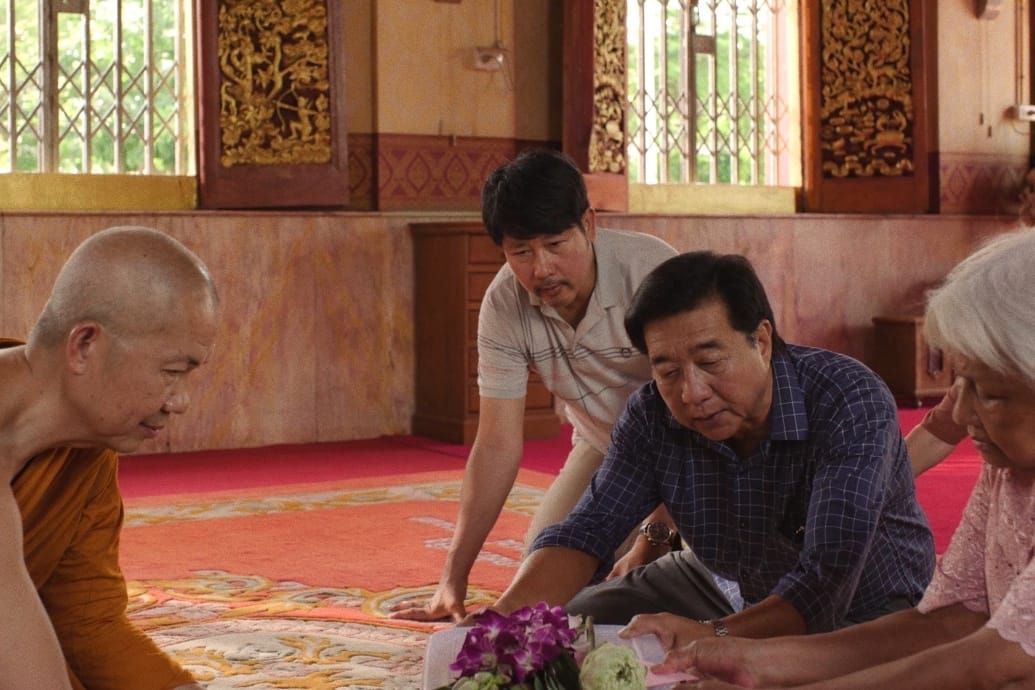
Several Asian films that recently premiered at major festivals have been backed by DFI, mostly recently 9 Temples To Heaven, from Thailand’s Sompot Chidgasornpongse, which was selected for Cannes Directors Fortnight. Other recent titles include Chie Hayakawa’s Renoir and Plan 75, which both premiered in Cannes, Park Syeyoung’s Locarno entry The Fin, Rafael Manuel’s Sundance prize-winner Filipiñana, and Qiu Jiongjiong’s Fuxi: Four Tales Of Feasting, which recently premiered at Tokyo International Film Festival.
DFI’s post-production grants can be up to $75,000 for feature-length narrative projects; up to $50,000 for feature-length documentaries; and up to $30,000 for experimental and essay films, amounts which can obviously make a big difference to whether a film makes it to completion or not.
Going back a bit further, the fund also backed Amanda Nell Eu’s Tiger Stripes, Davy Chou’s Return To Seoul, Makbul Mubarak’s Autobiography, Min Bahadur Bham’s Shambhala, If Only I Could Hibernate from Mongolian filmmaker Zoljargal Purevdash, and MA - Cry Of Silence from Myanmar’s The Mai Naing.
DFI’s post-production funding is also open to projects from other non-MENA regions under the same conditions, with recently supported titles including Spanish director Guillermo Galoe’s Sleepless City, Horizon from Colombia’s César Augusto Acevedo and The Devil’s Wells from Chilean filmmaker Jairo Boisier Olave.
The Grants Programme has also supported a wide range of cinema from sub-Saharan Africa, including this year’s Cannes Camera d’Or winner Ben’Imana, directed by Rwanda’s Marie-Clémentine Dusabejambo; House Of The Wind, from Cameroon’s Auguste Bernard Kouemo Yanghu, which premiered at Venice; and Variations On A Theme, from South African filmmakers Jason Jacobs and Devon Delmar, which won the Tiger Award in Rotterdam.
Then of course DFI-backed films from MENA filmmakers are also premiering regularly at major festivals, recently including Sara Ishaq’s Cannes Critics Week entry The Station, which is also opening this year’s Doha Film Festival; Cannes Un Certain Regard title Yesterday The Eye Didn’t Sleep, from Rakan Mayasi; and Muayad Alayan’s Conversation With The Sea, which premiered at Venice. MENA filmmakers are also supported across development and production, for formats also including series and shorts, while post-production funding is also available for established MENA filmmakers.
DFI also runs the Qumra talent incubator programme, which connects emerging filmmakers and their projects with international experts, and usually takes place in March.
See our interview with Alremaihi below to find out more. For more information on the festival, which kicks off tomorrow (Nov 19), see Streamlined's report here:
 Liz Shackleton
How Doha Film Institute's Post-Production Funding Works For Non-MENA Projects
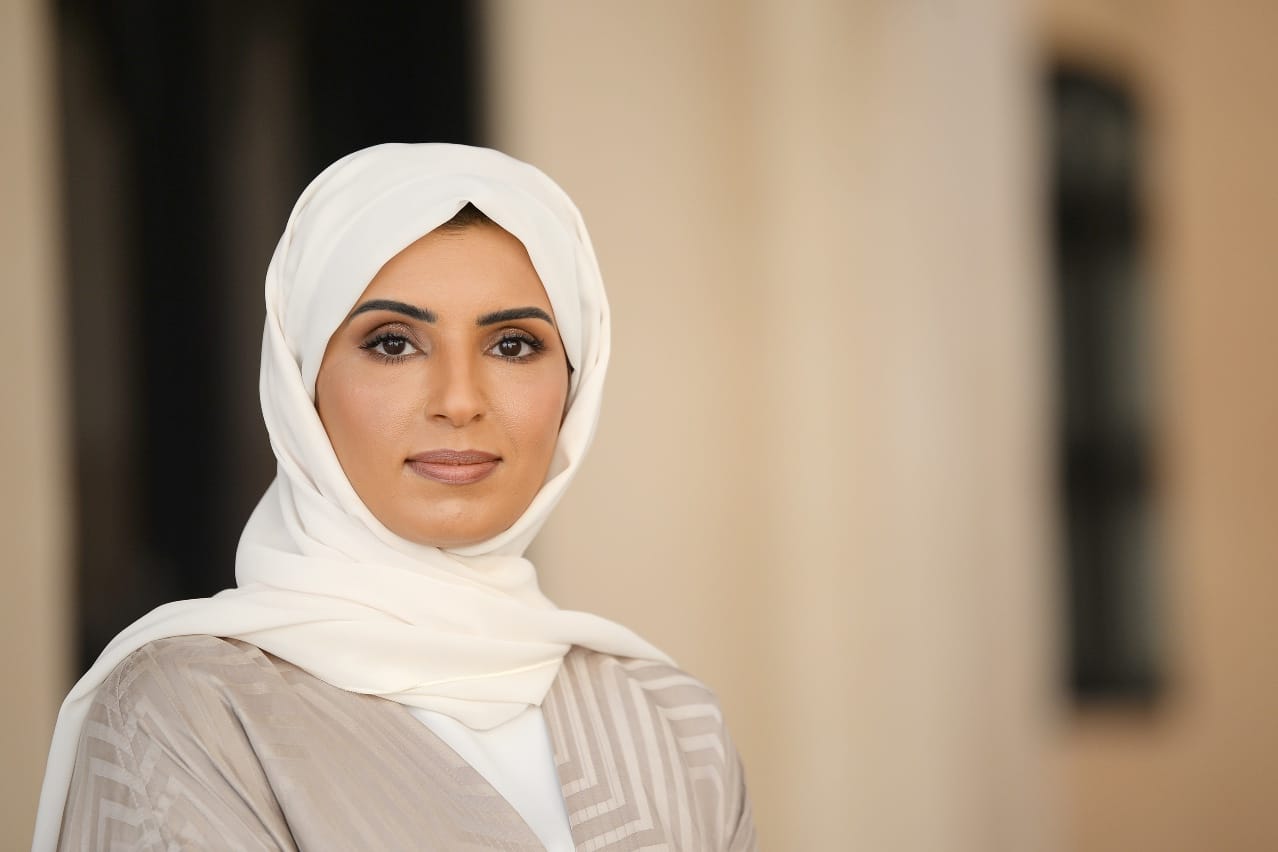
Born and raised in Doha, Fatma Alremaihi was appointed CEO of the Doha Film Institute in 2014 and also heads Qumra and Doha Film Festival. She graduated from Qatar University with a degree in English Literature and previously held the role of Cultural Advisor to the first edition of Doha Tribeca Film Festival. She then joined DFI in 2009 to lead a Community Outreach team and helped establish a strategic partnership with Italy's Giffoni Film Festival, whose youth jury model informed Qatar's Ajyal Film Festival.
STREAMLINED: As the volume of submissions from Asia is likely to be quite high – what kind of projects are you focusing on?
FATMA ALREMAIHI: At Doha Film Institute, we are drawn to projects with a distinctive artistic voice and a clear sense of purpose. We look for filmmakers who are expanding cinematic language, challenging conventions, and bringing fresh perspectives to global storytelling.
Across Asia, we continue to see an extraordinary range of bold, personal and socially resonant stories that reflect the richness and complexity of their communities and cultures. We have supported numerous projects from the region, including Renoir, 9 Temples To Heaven, Bombay Rose, Apprentice, Birdshot, Filipiñana, Fuxi: Four Tales Of Feasting, and While We Watched, among many others.
For non-MENA filmmakers, DFI supports post-production projects by first and second-time directors. We seek creatively ambitious work where our support can play a meaningful role in helping films reach completion and find international audiences. Our commitment has never been about following trends, but about supporting stories and storytellers whose voices deserve to be seen and heard.
STREAMLINED: How do the various funding programmes in the MENA region differentiate themselves? Can filmmakers combine support from Red Sea and other funds?
ALREMAIHI: Each funding body across the region has developed its own identity, priorities and approach, and this diversity ultimately benefits our filmmakers. What we are witnessing across the Gulf and the wider Arab region is the growth of a more connected and supportive ecosystem that offers filmmakers different forms of support at various stages of their journey.
These initiatives are largely complementary rather than competitive, and it is common for projects to combine support from regional and international funds. This collaborative landscape strengthens projects and creates more sustainable pathways for independent cinema.
At DFI, our focus has always been on supporting independent, artist-driven storytelling and building long-term relationships with filmmakers. Alongside financial support, we place strong emphasis on creative development and mentorship. Our Grants programme has supported more than 1,000 projects from over 80 countries and remains the region’s longest-running film financing initiative supporting first and second-time filmmakers.
STREAMLINED: How does DFI make funding decisions? And does the fund explain to applicants why grants were approved or not?
ALREMAIHI: Applications are evaluated through a rigorous review process involving internal assessment as well as external experts and industry professionals with diverse international experience. Projects are assessed on artistic merit, originality, feasibility and the strength of the creative vision.
Given the high volume of submissions (over 840 for the latest cycle) we receive from around the world, we are unfortunately not always able to provide detailed individual feedback for every project. However, we aim to ensure that the selection process remains transparent, fair and centred on the quality and potential of the work.
STREAMLINED: How and when in the filmmaking process is the funding disbursed? Is there any need for the production to be audited?
ALREMAIHI: Funding is generally disbursed in agreed instalments tied to contractual milestones and delivery requirements. The structure varies depending on the stage of the project and the nature of the support being provided.
As part of standard professional practice and accountability, funded projects are required to provide financial documentation and reporting in accordance with the terms of the grant agreement. Certain projects may require audited financial statements depending on the scale and structure of the production.
STREAMLINED: Does the DFI require any theatrical release or distribution arrangements as a condition of funding?
ALREMAIHI: DFI supports filmmakers in reaching audiences internationally, but there is no mandatory theatrical release requirement attached to the funding itself. Distribution strategies are discussed collaboratively with filmmakers depending on the nature of the project, its goals and the opportunities available in the market.

STREAMLINED: Now that Doha has a fully-fledged film festival - what are the major opportunities for filmmakers, producers and distributors from South, Southeast and East Asia? Is there a projects market or physical sales market that they can participate in?
ALREMAIHI: Doha Film Festival provides an important platform for voices from the Global South to engage with international audiences and industry. It strengthens Doha’s role as a meeting point for global cinema, creative exchange and collaboration.
Beyond screenings, the festival creates opportunities for dialogue and long-term partnerships across the Arab world and beyond. The festival is designed as a space where projects, talent and industry can come together through curated industry platforms, networking opportunities and conversations that encourage collaborations.
Doha Film Festival was conceived as a platform for artistic discovery and cultural exchange rather than commercial marketplace. Qumra remains our dedicated industry platform and film market, connecting filmmakers with producers, sales agents, distributors and international experts. Our year-round programmes further support filmmakers through mentorship, project development and industry access.
In addition, the newly launched production incentives from Film Committee Qatar – offering up to a 50% rebate for qualifying productions – present significant opportunities for Asian producers considering Qatar as a production base. Together, these initiatives create stronger connections between Asia, the Middle East and the wider film community.
STREAMLINED: Are there any other entry points for producers in South, Southeast or East Asia who are interested in collaborating with the Gulf? Do you see much potential for co-production between these regions?
ALREMAIHI: There is tremendous potential for collaboration between the Gulf, South, Southeast and East Asia, particularly at a time when filmmakers are increasingly looking beyond traditional industry centres for creative and financing partnerships. These regions share rich storytelling traditions, evolving industries and deeply engaged audiences.
The strongest starting point is genuine creative collaboration. Successful co-productions are built not only on financing structures, but on shared artistic vision and cultural understanding.
At DFI, we help facilitate these connections through our funding programmes, Qumra, industry platforms and international partnerships, bringing together filmmakers, producers, financiers, sales agents and festival representatives from around the world.
Our role is to create spaces where meaningful exchanges can happen and where emerging collaborations can develop into lasting creative partnerships. Having supported filmmakers from across Asia over many years, we see these relationships becoming increasingly important in a more interconnected global film landscape.

STREAMLINED VIEW: While a growing number of Asian projects are applying for Doha and Red Sea funding, it’s also interesting to see Asian filmmakers, producers and other content execs becoming more involved in programmes like Qumra and Red Sea Labs. Through these Gulf events, Asian filmmakers and producers are also more likely to come into contact with the content industries of MENA and sub-Saharan Africa; or at least meet people they're less likely to run into at major festivals and markets in East Asia.
Events like Doha and Red Sea (which is hopefully returning in 2027) present an opportunity to truly connect the creative industries of the Global South in a way that is difficult for major European festivals, due to their focus on the production and financing hubs of Europe and North America.
Of course, regional politics and global conflicts could overwhelm the institutions running these Gulf events, but if they manage to overcome those obstacles, they have the potential to redraw the centres of gravity of the global creative and content industries. Working in their favour is the fact that they’re well-financed, located halfway between the major production hubs in Eurasia and have affordable and efficient airlines (not a factor to be overlooked). Streamlined intends to watch this space.
IN THE TRADES:
AWARDS SEASON:
‘Guria’ Wins Best Film At Asia Pacific Screen Awards; ‘9 Temples To Heaven’ Takes Best Director
 Streamlined team

LAB & FUNDING NEWS:
Purin Film Fund Awards $155k To Five Projects In Autumn 2026 Funding Round
Rania Rafei & Mohanad Yaqubi Projects Among Cairo Film Connection Line-Up
‘Somewhere In The South’ Takes Top Award At TCCF Pitching; ‘Reunion Dinner’ Scoops Three Prizes
Taiwan’s ‘Uncle’ wins two at Tokyo Gap-Financing Market awards
PRODUCTION NEWS:
‘The Lunchbox’ Director Ritesh Batra Sets Saif Ali Khan, Vidya Balan & Mélanie Laurent For ‘Long Years Ago’; Filming Begins In Mumbai
Kartik Aaryan To Star In ‘Ladaku’ With Kabir Khan Directing; Worldwide Release Date Set For 2027
Taiwan’s Chunghwa Telecom Unveils Investment Slate Headed By ‘Gunshot’ & ‘Call Of Lobster’
‘Our Blues’, ‘Midnight Diner’ & ‘C’Est La Vie’ Among Projects Backed By TAICCA Joint Venture Funds
‘Godzilla Minus One’ director Takashi Yamazaki to make English-language debut on ‘Grandgear’
Yeo Yann Yann, Jack Tan to head cast of LGBTQ+ drama ‘Half Lives’
‘Pendekar (Warrior)’ starring ‘The Raid’s Iko Uwais begins Malaysia shoot
CORPORATE:
Weta FX Partners With TAICCA To Position Taiwan As AI Hub; Expands Partnership With Moonshine Studio
‘Talk To Me’, ‘Leviticus’ producers launch Australian distribution outfit Baby Jane
CANCELLED:
CURATED:
Tokyo Film Festival Hands Top Award To Milcho Manchevski’s ‘Sister Brother Manhole Cover’
'Ah Girl' Wins Best Film At Singapore Film Festival's Silver Screen Awards
‘Safe Exit’ & 'Citizen Osama' Take Top Awards In El Gouna
SOLD:
May El-Toukhy’s Venice Golden Lion Winner ‘Woman Unknown’ Gets U.S. Deal During AFM
Laïla Marrakchi’s Morocco Oscar entry ‘Strawberries’ lands US deal among fresh international sales
EST N8 Closes Six-Title Americas Deal With DuBow Media, Led By Indonesian Hits ‘Janur Ireng’ & ‘Danur’ – AFM
EST N8 closes multiple deals on J-horror ‘The Invisible Half’ including North America
Park Hoon-jung’s ‘Tristes Tropiques’ Sells To Well Go USA For North America; Swift For France
Justin H. Min Starrer ‘Journey There’ & Hong Sangsoo’s ‘Nowhere To Lay My Eyes’ Sell To Multiple Territories
‘Cairo Shadows’ lands France distribution ahead of Marrakech premiere
‘Thirteen in Gaza’ Acquired by Koudéta Films for France Ahead of Doha Film Festival
STREAMING UPDATES:
‘The Remarried Empress’ Sets Disney+ Record As Most Viewed Local Original Launch Ever
Bae Is Back: Prime Video Sets Launch Date For ‘Call Me Bae’ Season 2