How China May Be Poised To Win The AI Video Generation Race

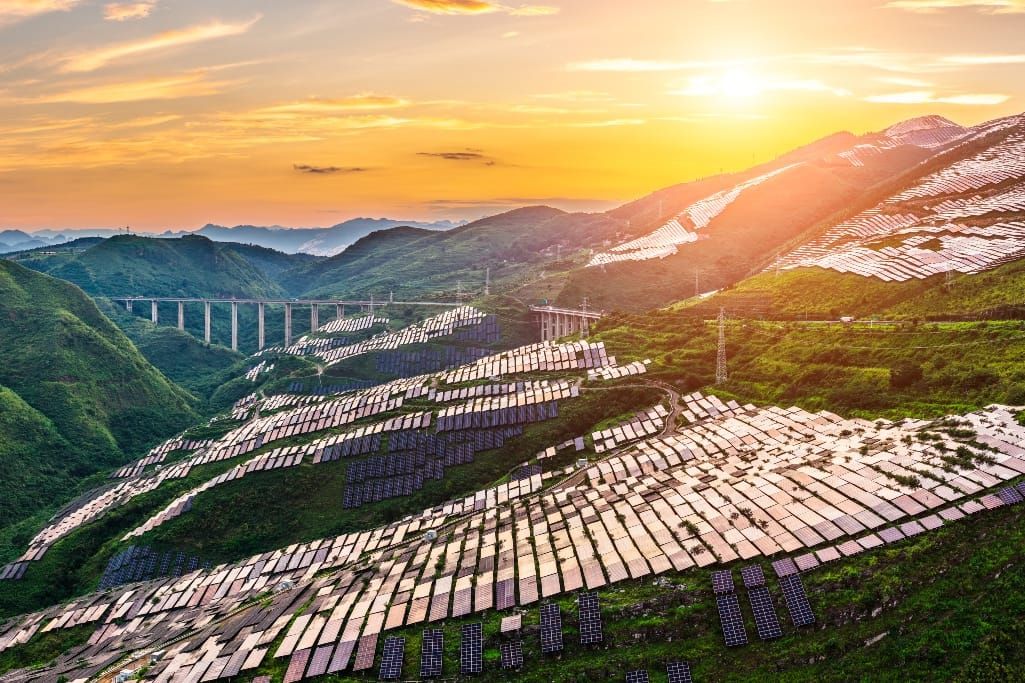
China solar energy farm (credit: iStock)

My recent trip to Beijing made me realise that the six years I spent during and after the pandemic living in a small village in Hong Kong, while comfortable, was the lifestyle equivalent of living under a rock. This past week of meeting tech companies in Beijing was the equivalent of being dragged out from underneath that rock and thrust into the sunlight, kicking and screaming. And sunlight is the apposite word here because, although Chinese indie films give us the impression that China is always overcast with a depressing gloom, the country does in fact have a lot of sunlight. And it’s that sunlight that may help China pull ahead in the AI video generation race.

But before we get into that, I just want to make a plea to my regular readers to upgrade to one of the Streamlined paid plans. Streamlined does not accept advertising or sponsorship revenue, a deliberate policy to keep our reports free of corporate or political influence, so without subscription revenue we can’t expand our output or pay the journalists we’re working with on the ground. Yes, I also write for Deadline, but that’s a separate company with a different business model and the freelance gig I have with them is nowhere near a full-time income.

Streamlined is now offering subscriptions to the Streamlined Guides for $5 a month ($50 annually) and we have guides upcoming on the Thai film & media industries, Japanese producers, India’s vibrant Malayalam-language film industry, Chinese tech players and Middle East funds. Please consider supporting our work!


China’s Advantages In Power Generation & Open Source Tech

So back to China..and sunlight. As the image above demonstrates, China has vast, sparsely populated regions in the West of the country that are now home to solar energy farms the size of small cities. Renewable energy, including wind, solar and hydropower, already accounts for around one third of China’s electricity output and the country is forecast to have around 400 gigawatts of spare power capacity by 2030 – three time what the entire world will need to meet data centre demands. Donald Trump can invade all the oil-producing nations he wants, but the US is not going to be able to produce the same volume of electricity so cheaply any time soon. 

And this matters to the entertainment industry because AI consumes a huge amount of power and the country with a cheaper energy source has a natural advantage. As for the other factors in the AI race – capital expenditure, technical capability, access to advanced microchips – experts are saying that China is a few months behind the US by some measures and racing ahead on others. In some ways, Trump blocking China from acquiring Nvidia’s chips might just have forced tech companies to be more creative in developing large language models (LLMs) and video generation tools with fewer or less advanced chips.

Then there’s the fact that China’s AI development has been mostly open-source – unlike most of the AI models developed by US companies – so the Chinese tech has been widely adopted by developers around the world. Companies such as Airbnb and Pinterest say they’re downloading and customising Chinese AI tools for their platforms because its faster and cheaper. It’s likely that international filmmakers are finding China’s AI video generation apps more user friendly too. Kuaishou’s Kling AI recently reported that around 70% of its revenue is generated from markets outside of China.

Of course, video generation is just one small corner of the AI universe, but it’s one that the entertainment business is watching closely. Already, Hollywood has been badly shaken by the release of Bytedance’s Seedance AI video generation tool, coming just a few months after the Deepseek LLM was unleashed on the world, and resulting in a slew of cease-and-desist letters and copyright infringement claims. But Seedance is just one tool and there are plenty more in China’s open-source, AI gold rush era – in addition to Bytedance and Kuaishou, China’s other ‘big three’ tech giants, Baidu, Alibaba and Tencent, along with a host of smaller tech players, are also releasing AI video tools. Several models were released in China this year alone. Some of these tools, like Seedance and Kling, can potentially be embedded in huge social media platforms (Douyin and Kuaishou, respectively).

At the same time, OpenAI finally shut down the Sora app and website this week, while its API will be discontinued from September, a decision made despite Disney’s planned $1bn investment due to high compute costs and the company’s upcoming IPO. The way that Sora was presented to consumers, as a gimmicky social media feed that quickly became full of AI slop, was possibly not the best use of this technology – and OpenAI is most likely still working on video generation tech behind the scenes – but the move sets back US dominance at least at the consumer level. While other US tools, including Runway and Google’s Veo, may be leading in premium quality, Chinese tools could start winning due to cost-efficiency, accessibility, and sheer volume of releases.

Meanwhile, Chinese filmmakers from film school students to leading auteurs such as Jia Zhangke are experimenting with the new technology. An AI-generated short film Paper Phone, produced by a student team at Shenzhen University using Kling AI, was a viral hit over the recent Qingming holidays. Jia collaborated with Seedance to make a short film, Jia Zhangke’s Dance, a meta-fictional exploration of authorship and technology, that was widely circulated during this year’s Lunar New Year holiday.

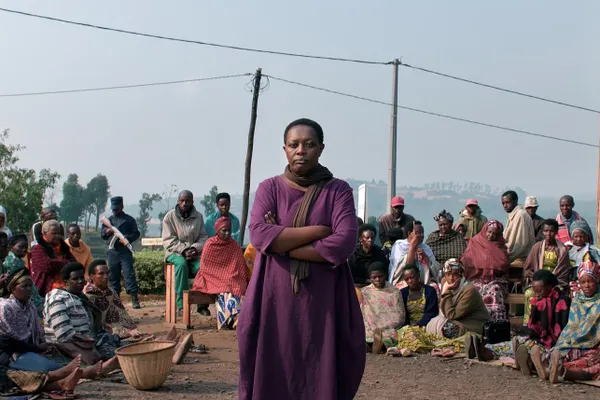
Paper Phone
Paper Phone

This is not to say that the Chinese entertainment industry is not having the same existential crisis over the new technology as we’re experiencing in the West. At the risk of over-generalising, China is usually more open to rapid change than the West, just because it’s had to be, but there’s also been massive pushback against AI due to fears over copyright infringement, job losses and loss of human artistic control. The day before I landed in Beijing, iQiyi experienced a huge backlash against the launch of its Nadou Pro platform that facilitates the use of actors’ likenesses in AI content, prompting the company’s founders to take to social media to defend the move.

“The initial purpose of establishing the iQiyi Nadou Pro Artiste Database is to provide AI-generated content creators with a standardised platform to facilitate their selection of artistes during the creation process and to efficiently communicate cooperation details with artistes through iQiyi,” the company stated on its Weibo account.

“It's important to emphasise that joining iQiyi's Nadou Pro artiste database signifies an artiste's willingness to engage with AI-powered film and television projects. However, whether an artiste participates in a specific project or plays a specific role requires separate negotiation and authorisation. This process is consistent with traditional live-action film and television project collaborations.”

As in the West, there are also questions in China’s tech and entertainment industries around capital outlay, monetisation models and the current technical restrictions associated with AI video. Speaking at Hainan International Film Festival last year, Tencent Vice President Sun Zhonghuai talked of issues with visual consistency, with character details drifting considerably over extended shots, and remarked that 4K or DCI compliant resolution necessary to show a film on theatrical screens was difficult to achieve.

But Sun also said these are just temporary issues. Sure enough, just last week, Kling AI rolled out a new 4K mode in its Kling Video 3.0 series that matches standards required for broadcast television and theatrical releases.

Also this week, Caixin Global reported that the China Film Bureau has approved the first AI-generated feature film to be released in cinemas – Bona Film Group’s Sanxingdui: Future Memories. (By coincidence, I visited the Sanxingdui Museum while I was in Chengdu and can attest that the artifacts produced by this Bronze Age civilization are truly mind-blowing). To be fair, it’s not the first AI-generated film claiming to be the first to be released in cinemas, but its approval demonstrates that the Chinese film authorities are open to the tech.

On the other hand, Chinese authorities quite often let new tech and industry innovations run wild for a while, assess their impact, then rein them in with regulation. It will be interesting to see if fears over job losses, copyright infringement or potential threats to the existing Chinese film industry, which is not doing great despite a few outsized hits each year, prompts the CCP to start clamping down on AI usage. Already, around one third of Chinese microdramas are thought to be “AI-driven”, without any comment from the authorities, although regulators have recently started cracking down on “CEO Romance” microdramas, featuring relationships between wealthy bosses and poor women, arguing that they promote “distorted values, materialism and unrealistic lifestyles”.

Last week, the White House issued a statement accusing Chinese AI companies of “industrial-scale campaigns” to steal advances in US technology, through a process called distilling, and said it would work more closely with US firms to help them protect themselves against such theft. But this industry is so fast-moving, I wonder if threats, tariffs and slow-moving regulation are really going to slow it down – either in the US or China?

The potential disruption to the global content industries is terrifying but, I’m increasingly thinking, also inevitable. At the end of the day, this tech will be driven by consumer (and filmmaker) demand, just like China’s dominance in the manufacturing of physical goods, and regulation would only drive it underground. China’s AI tech is fast and cheap, and one thing we learned through China’s economic rise from the ‘90s onwards, is that the world can’t get enough of fast and cheap stuff. Then it’s only a matter of time before China starts offering the high-end premium products. In the AI video generation space, they might already be there.

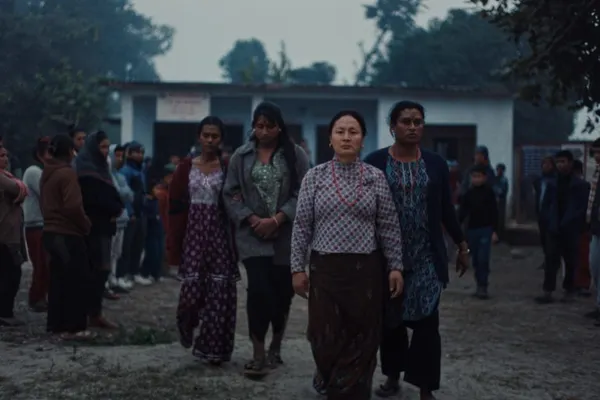
Sanxingdui: Future Memories

IN THE TRADES:

AWARDS NEWS: 

‘Ciao UFO’ wins five including best film at Hong Kong Film Awards 2026

LAB & FUNDING NEWS:

FEFF Focus Asia 2026: Full Line-Up

Thai Pitch At Cannes Selects Three Projects Including Ekachai Uekrongtham’s ‘The Weight Of Ash’

Screen Australia Announces Funding Of $20.4m Across Features, Series & Shorts

Franco-German fund to support films by female directors from Ukraine, India and Lebanon

PRODUCTION NEWS: 

BUZZ LIST: Southeast Asia Projects In The Pipeline 2026

Park Chan-Wook Gathers Matthew McConaughey, Austin Butler, Pedro Pascal & Tang Wei For Western-Thriller ‘The Brigands Of Rattlecreek’

‘Parasite’ Producer Barunson E&A Boards Indonesian Zombie Movie ‘Zona Merah: Dead City’

‘Parasite’ producer Barunson E&A boards Thai horror ‘Inherit’ from ‘Pee Mak’ director Banjong Pisanthanakun

K2 Pictures Lifts Lid On Hirokazu Kore-Eda Protégé Nanako Hirose’s ‘Between Two Lovers’

African Superhero Movie ‘Razorman’ In The Works From ‘Heart Of The Hunter’ & ‘Iwájú’ Filmmakers

Saudi-Owned Broadcaster MBC Teases Postponed TV Series ‘Embassy 87’ About Saudi Diplomats Held Hostage in Iran

Iko Uwais, Joe Taslim Lead Indonesia Joint Venture’s Slate as Asia Media Alliance Group and Nation Pictures Partner Up

‘Beef’ Actor Hong Dao Leads Vietnamese Folklore Dark Comedy ‘A “Good” Best Luck’

Iconic Indian Action Thriller ‘Khal Nayak’ Set For Jio Studios Reboot After Original Star Sanjay Dutt Acquires Rights

‘Saiyaara’ Team of Mohit Suri, Ahaan Panday, Aneet Padda and Akshaye Widhani Reunite for New Yash Raj Films Romance

Allu Arjun, Deepika Padukone, Director Atlee Unite for Fantasy-Action Film ‘Raaka,’ Backed by Sun Pictures

Sudhanshu Saria’s Four Line Films Launches Debut Features ‘Pech’ and ‘Silverfish’

India’s First Ray Films Unveils Six-Picture Slate for Cannes Film Market as Banner Enters Second Decade

CORPORATE: 

Canal+ Reveals Date It Will List On Johannesburg Stock Exchange As French Giant Actions MultiChoice “Turnaround Plan”

Derek Lui Launches Sydney-based Sales Agency Surprise H With Trio Of Pics Headed By Brazil’s ‘I Am Going To Miss You’

New Zealand Post & Finance Outfit The Wing Launches For International Co-Productions

Fauzan Zidni Elected Head of Indonesian Film Agency, Plans Cannes Push

Turkey’s OGM Pictures and Spain’s Grupo Ganga Forge Strategic Partnership to Co-Produce International TV Series

CANCELLED: 

Bang Si-hyuk, Chair Of BTS Agency HYBE, Faces Arrest In South Korea

‘All the Evil in the World’ Doc, About Murder of Leftist Italian Student in Egypt, Sparks Political Storm After Being Denied Government Funding

US-IRAN CONFLICT:

Iranian government accused of confiscating exiled filmmakers’ assets

Asghar Farhadi Calls On Filmmakers To Speak Out Against The “Destructive Aggression” Of The U.S.-Iran War

Saudi Film Festival Postponed From April To June-July Dates As Iran War Rumbles On

Lebanese Artist & Filmmaker Ali Cherri Files War Crime Complaint Related To Killing Of Parents In Israeli Beirut Strike

CURATED: 

CANNES 2026 LINE-UP: Titles Selected From Asia, Africa & Midde East

‘Linka Linka’, ‘Rose’ Take Top Prizes At Hong Kong International Film Festival

‘Memory of Princess Mumbi,’ Set in a Retro-Futuristic Africa Recreated With AI, Scores Istanbul Film Festival Top Prize

Udine’s Far East Film Festival reveals 2026 selection, honours for Fan Bingbing, Koji Yakusho

Jeonju film festival 2026 to open with ‘Late Fame’, unveils competition lineup

Tony Leung Named Jury President of 2026 Shanghai Film Festival

Egypt’s El Gouna Film Festival Unveils New Artistic Director

Hiroyasu Ando to exit as Tokyo film festival chairman, replaced by Takeo Hisamatsu

India’s PVR Inox Eyes Indie Distribution Pipeline via MAMI Independent Initiative

RELEASED: 

‘Cold War 1994’ sets China release as Qingming holiday box office drops 19.6%

‘Phi Phong: The Blood Demon’ becomes Vietnam’s second biggest local film of 2026

‘Dhurandhar’ Part One Lands Japanese Release 

Indian Epic ‘Krishnavataram’ Lines Up Worldwide Multilingual Release, English Version to Follow

Yash’s ‘Toxic’ Release Pushed Back to ‘Later, Globally Aligned Date’

Kunchacko Boban, Lijomol Jose Thriller Title Set as ‘Unmadham,’ Release Date Unveiled

SOLD: 

Kiyoshi Kurosawa’s ‘The Samurai And The Prisoner’ lands US distribution ahead of Cannes premiere

Anthony Chen’s ‘We Are All Strangers’ Lands North American Distribution

Bong Joon Ho Reuniting With ‘Parasite’ Distributor Neon On Debut Animated Feature ‘Ally’

Park Syeyoung’s Locarno-Premiering Korean Dystopian Sci-Fi ‘The Fin’ Acquired by Kani Releasing for North America

Sundance Drama ‘The Friend’s House Is Here’, Shot Clandestinely In Iran, Gets Domestic Deal

Sundance Grand Jury Prize Winner ‘Cactus Pears’ Sets U.K. and Ireland Theatrical Release

Sudanese filmmaker Suzannah Mirghani’s prize-winning ‘Cotton Queen’ picked up for UK-Ireland

Turkish TV Series ‘Vendetta’ Expands Global Footprint With Sales Reaching 70 Countries

STREAMING UPDATES:

After ‘Heated Rivalry’ Phenomenon, Canal+ Distribution Is Bringing the Original Thai Boys’ Love Catalog to the U.S.

Disney+ Sets K-Drama Adaptation of ‘Miracles of the Namiya General Store’ Starring Ryu Seung-ryong

Disney+ Strikes Long-Term Production Pact With Japanese Producer The Seven

Rumiko Takahashi’s ‘Mao’ Sets Hulu, Disney+ Premiere as Viz Media Lands Rights

Disney+ Inks Development Deal to Boost Output of Japanese Live-Action Originals

Takahashi Issey, Saitoh Takumi, Mizukami Koshi to Star in Prime Video Japan Crime Thriller ‘Hanzaisha’ 

Marian Rivera, Dingdong Dantes, Sharon Cuneta, Vice Ganda Set for Prime Video Philippines’ Local Slate

HBO Max To Launch In India Through JioHotstar

Lionsgate Play Confirms ‘Heated Rivalry’ Season 2 Pick-Up As Indian Streamer Unveils To Theatrical-First Plan & Hollywood Push

Microdrama Platform ReelShort Teams With Thailand’s AIS in First Southeast Asia Telco Deal

Korea’s Yoon Jong-bin readies political drama ‘The Generals’ for Netflix

Netflix Reality Star Park Min-Kyu Makes Vertical Drama Debut With FlareFlow’s ‘One Year Love’

Netflix Sets Korean Romance Series ‘Long Vacation’ From ‘Crash Landing on You’ Director Lee Jung-hyo

Netflix Sets Korean Drama ‘The Facade of Love’ From ‘World of the Married’ Director Mo Wan-il