Streamlined Guides: Thailand Studios, Producers & Streaming

9 Temples To Heaven
9 Temples To Heaven

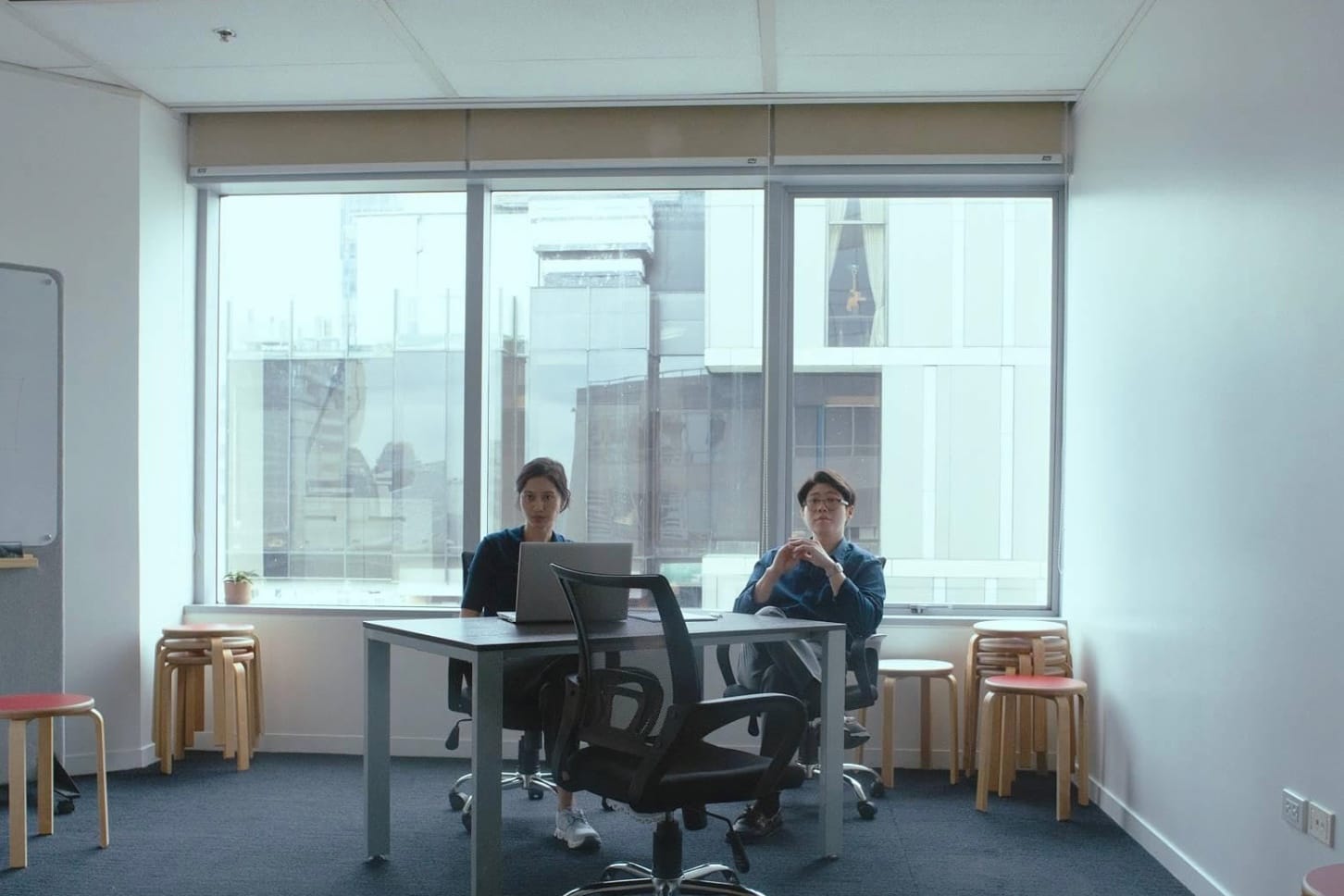
Thai films and series are currently enjoying a wave of international recognition, driven by dynamic mainstream and arthouse film production sectors, along with the global popularity of BL (Boys' Love) and GL (Girls' Love) series, which are raising the profile of Thai actors and actresses around the world. Film successes over the past few years include the $73m global box office of GDH 559 Co’s How To Make Millions Before Grandma Dies, also sold for remake to Miramax; and a Critics Week prize at last year’s Cannes film festival for A Useful Ghost, followed by the selection of Human Resource at Venice.
 
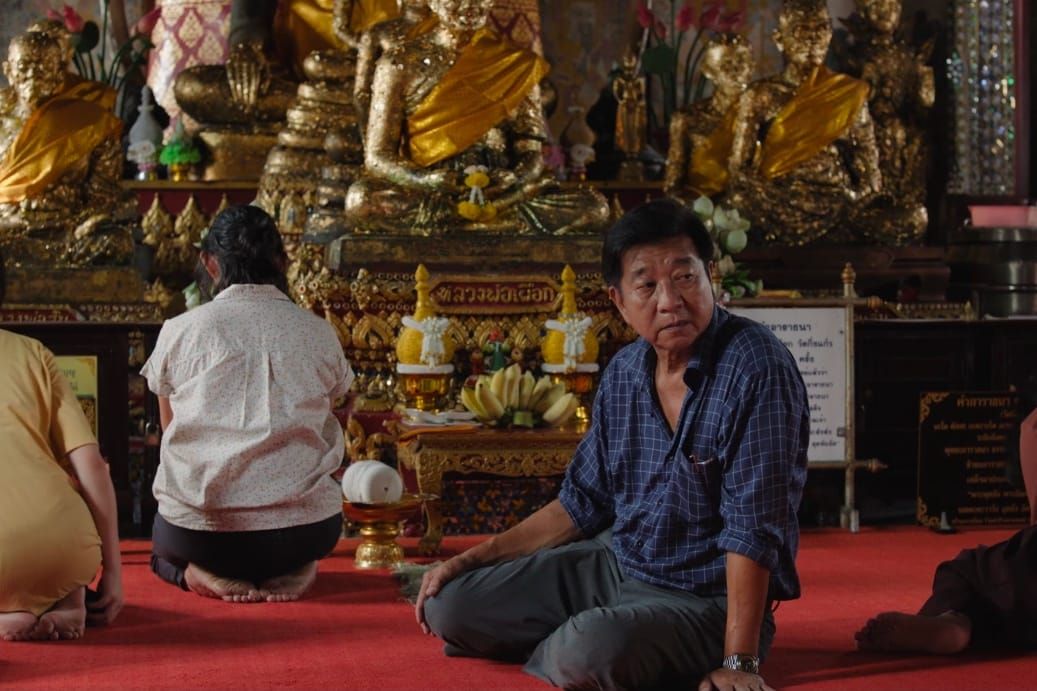
So far this year, 9 Temples To Heaven has been selected for Cannes Directors Fortnight and local hits have included Taibaan Studio's The Undertaker 2 and GDH 559's three-part canine tale Gohan, released in early April. Thailand also continues to be the major production hub in the Asia region for international shoots, attracting productions including Jurassic World: Rebirth, Alien: Earth and The White Lotus Season 3, backed by a robust incentives scheme, while Bangkok also offers world-class post-production facilities.
 
Yet despite the rising international profile of Thai content, the local industry is facing the same challenges as many content industries in Asia and around the world – inconsistent box office, rising production costs, and the shift to streaming disrupting traditional business models. This edition of the Streamlined Guides provides an overview of current trends across film and streaming as well as introducing the major players in content production and assessing the market’s potential for future international collaboration.
 
As always, these guides are completely funded by readers so the information in the report has been researched independently of any financial support from advertisers and/or film agencies. Contact details are not included in the report, but paid subscribers can DM me to discuss the best way to approach listed companies, with Founding Member subscribers receiving priority on their queries.
Human Resource
Human Resource

THAILAND MEDIA LANDSCAPE:

Thailand has a dynamic but fragmented media landscape, with a mix of government and privately-owned broadcasters and media groups, many of which come with a complex history of political, army and private family affiliations. Like media industries everywhere, it’s also going through the shock phase of the shift to streaming, rising production costs and declining advertising and subscription revenues for traditional free-to-air (FTA) broadcasting and pay-TV.
 
Until the launch of digital television in 2014, Thailand had six analogue channels, mostly operated by the state-owned Mass Communications Organisation of Thailand (MCOT) or the Royal Thai Army. While the government still operates broadcast networks, the number of channels more than quadrupled with the introduction of digital broadcasting due to the entry of a host of private companies, spanning telecoms, technology, content production and associated media businesses. Consistent with media ownership structures seen across the region, many of these companies are family-owned businesses, with controlling stakes owned by founding families, while also being listed on the Stock Exchange of Thailand (SET).
 
According to a report from the Association of Digital Television Broadcasting (ADTEB), Channel 7 was the highest-rating digital TV channel, as of July 2025, followed by Channel 3, One31, Thairath TV, Amarin TV, Workpoint TV, Mono29, Channel 8, PPTV HD and True4U. Each channel has its own positioning – for example Mono29 is known for international movies and series, Workpoint TV for game shows, and True4U is strong in sports and entertainment.
 
Most of the private companies involved in digital broadcasting, including True Corporation, BEC World, GMM Grammy, Mono Next and Workpoint Entertainment, are also active in Thai-language film and series production and investment, sometimes making content for local or global streamers or working with traditional movie studios to produce films for theatrical release.
 
As a relatively mature media market, Thailand has seen the shift of viewership and subscription revenues away from legacy platforms and towards streaming (and social media) take place at a more rapid rate than some other Southeast Asian markets. Thailand is now the region’s largest premium VOD market, according to figures from Media Partners Asia (MPA), with paid subscriptions accounting for 35% of overall video revenues of $1.4bn across film, TV, animation and streaming. While Indonesia and Vietnam’s overall video markets are larger, they tend to lean towards AVOD and freemium models consumed on Android devices, while Thailand is trending towards premium subscriptions accessed through iOS.

While OTT platforms continue to grow, declining revenues in FTA and pay-TV have encouraged some legacy media companies to move into film production, particularly following the 2024 box office success of Death Whisperer 2 and How To Make Millions Before Grandma Dies. However, as the ‘Film Landscape’ section of this report explains, this led to a wave of similarly themed productions that struggled to attract sustained theatrical attendance in 2025 and early 2026. In response, media groups are increasingly diversifying into adjacent revenue streams such as artist management, live events and fandom-driven initiatives.