Cinevesture: What We Learned About Indian Film Finance At CIFF Market

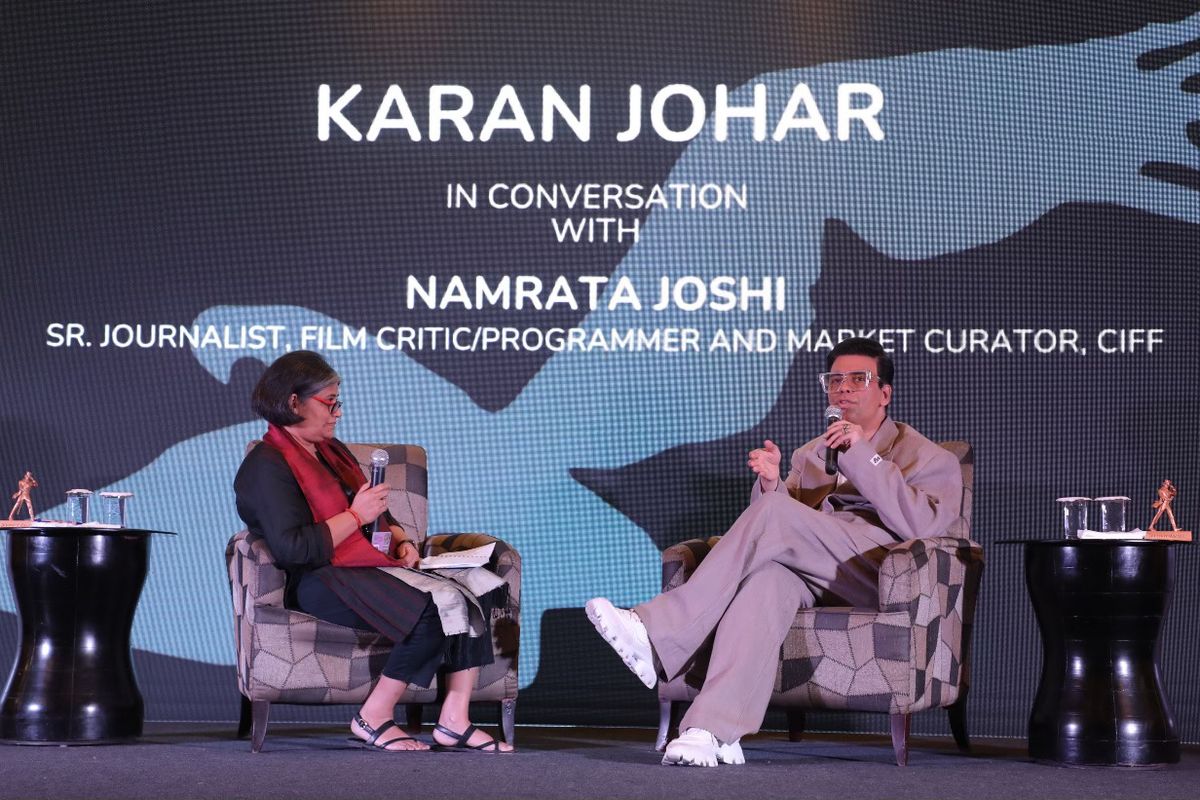
This is very late as I’ve just been very sick with Covid (yes, it’s still out there) but I wanted to summarise the major themes from the ‘Conversations’ section of the recent Cinevesture International Film Festival (CIFF, March 27-31) in Chandigarh, India.
Cinevesture, which comprises the festival, a ‘CIFF Market’ projects market, and an online marketplace, has a focus on producers, investors and connecting projects from creators with a track record to the marketplace. CIFF Market presented 20 projects to potential partners and financiers (see line-up here) and the event also hosted a workshop on the risks and benefits of film investing for curious entrepreneurs, including legal and accounting aspects and international distribution.
The Conversations section of the event included sessions with independent producers, directors, writers, actors, musicians and streamers, and ended with a lively talk with leading producer-director Karan Johar. While the event wasn’t exclusively about independent cinema, it did focus on how films can be financed and distributed outside of India’s studio system.
One of the first points to emerge from the talks is that the definition of an “independent film” in India can be quite broad, indeed the term “indie” is often applied to any film that is driven by script and its filmmakers rather than studio formulas, even if it was co-financed and/or distributed by a studio. “The line between commercial and independent is getting blurred quite a bit,” said Excel Entertainment producer Rucha Pathak on a CIFF panel on the first day.
![Extraordinary Attorney Woo [Photo: ASTORY]](https://storage.ghost.io/c/f6/3b/f63bba50-4e07-4fdb-a685-47f18f3c5b84/content/images/size/w600/format/webp/2026/10/Extraordinay-Attorney-Woo.jpg)