Northeast India’s ‘Angh’ Wins Toronto Platform Prize; Qualifies For Oscars Consideration
Konyak-language film is eligible for the Oscars' Best International Feature category, even though another film, Marathi-language Gondhal, is India's official pick.

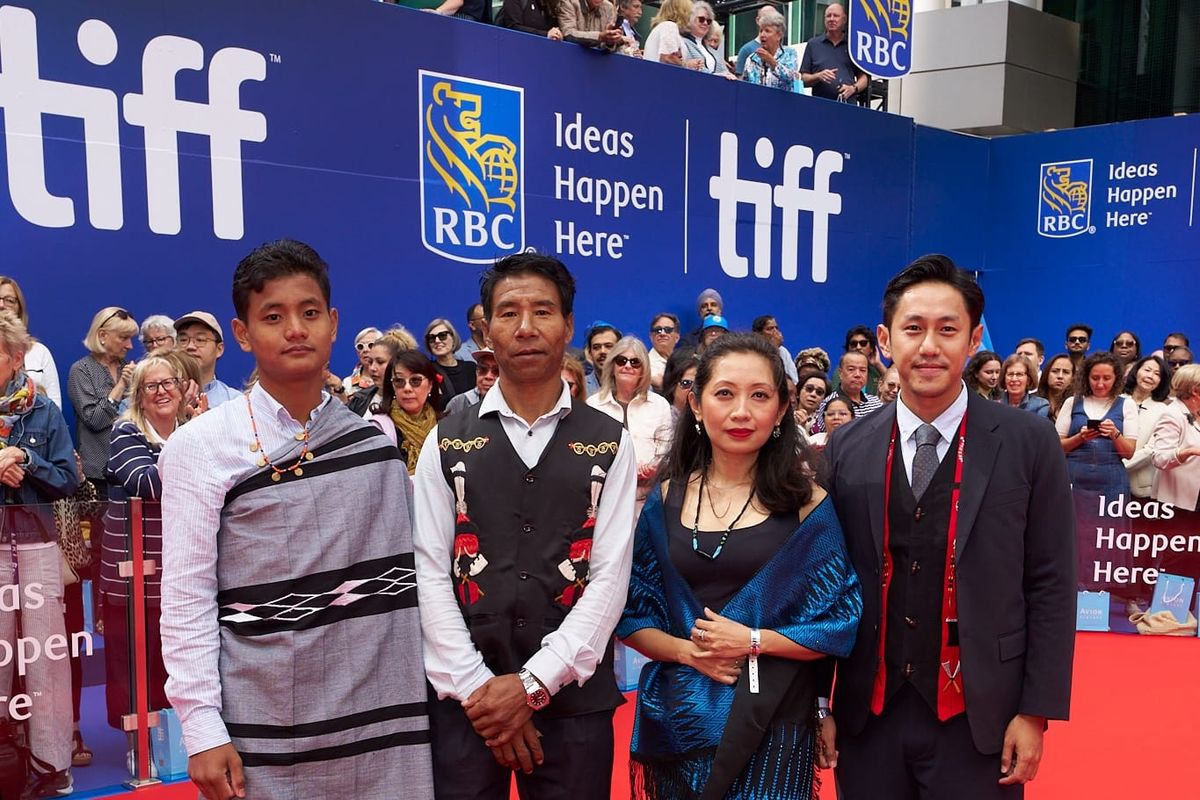
Indian director Theja Rio's debut feature Angh has won the Platform Prize at Toronto International Film Festival, which makes the film automatically eligible for consideration in the Best International Feature category of the Academy Awards.
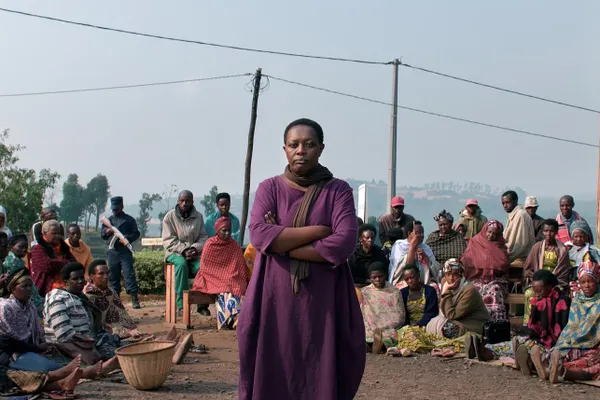
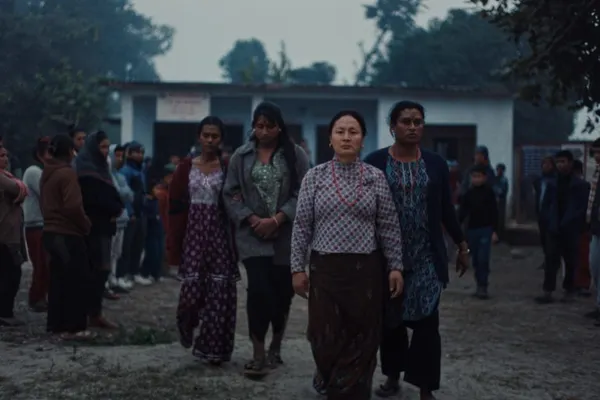
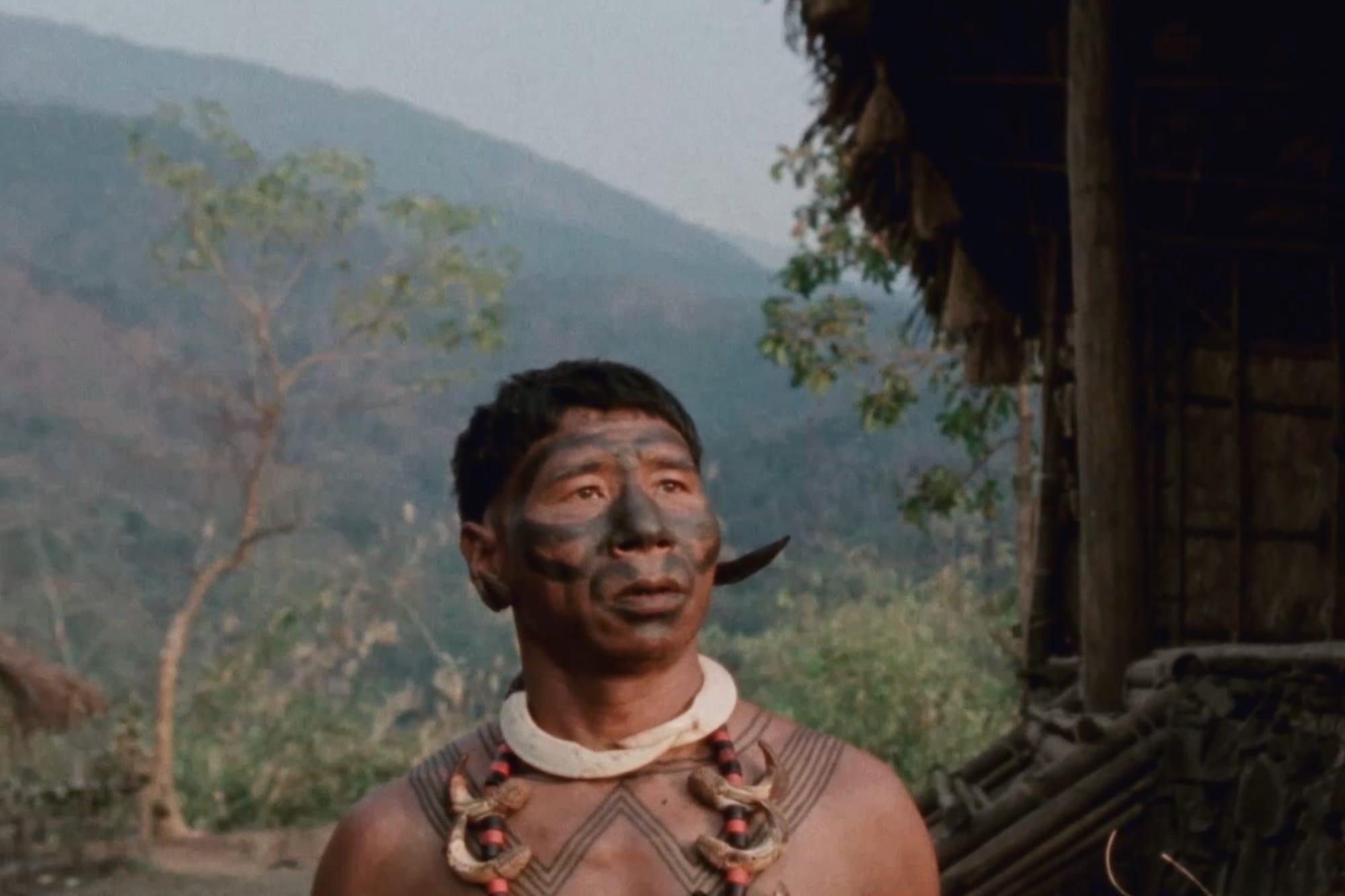
Angh, which means chief in the Konyak language, follows an ageing village chief and his son from the Konyak tribe in India’s Nagaland. The central characters are among the last in their community holding on to their ancestral faith and way of life as the world around them changes.
The Oscars changed its submission rules earlier this year to enable films that win select awards in six international film festivals – Cannes, Berlin, Venice, Sundance, Toronto and Busan – to automatically qualify for consideration in the Best International Feature category.
The rule change means that Angh can be submitted to the category despite not being the official pick of the Film Federation of India (FFI), the non-governmental body that selects India's official Oscar submission each year. FFI announced a few days ago that India is submitting Marathi-language feature Gondhal, directed by Santosh Davakhar, to the Best International Feature category.
Angh was the only Indian entry selected for Toronto’s Platform Competition this year, competing against eleven other films in the festival's auteur-driven competitive section.
Nagaland is a small mountainous state in northeastern India, bordering Myanmar, with a population of around two million. The Naga people are a collective of several distinct tribes, of which the Konyak, who are central to this film, is one of the largest. There are eight northeastern states in India, each distinct in culture and history but similar in their consistent and glaring exclusion from mainstream Indian entertainment.
Angh is largely in the Konyak language, co-written by Rio and Rajkumar Kandamudi, and is adapted from Rio's own award-winning 2021 short film of the same name. It features BAFTA-winning actor Douglas Henshall alongside indigenous actors from Nagaland including Anghlong Konyak, Sobino Rengma, Genpai Konyak, Amah Konyak and Wangton Konyak.
TIFF’s five-member Platform jury comprised jury president and Argentine filmmaker Pablo Trapero, alongside Amma Asante, Sylvia Chang, Luc Déry and Albert Lee. Trapero praised Angh for its “refreshing perspective, filmmaking strength and deeply resonant portrayal of a world.”
Executive producer Gaurav Dhingra said in a statement: “When I first saw the rushes of Angh, I felt I was looking at something rare – a film born in Nagaland, made by Indigenous filmmakers, carrying the voice of a community rarely seen on the world's biggest screens on its own terms. To see it win the Platform Competition and earn a direct pathway into the Oscars' Best International Feature Film category is deeply moving, for Angh, for its makers, for Nagaland, for India and for independent cinema.”
FFI has received much flack for its Oscars submissions over the years, including in 2013, when the non-governmental body selected Gujarati film The Good Road, which failed to make the shortlist, over festival favourite The Lunchbox.
Ahead of the 2025 Oscars, the FFI passed over Payal Kapadia's All We Imagine As Light, which had won awards including the Grand Prix in Cannes, in favour of Kiran Rao’s Laapataa Ladies. The all-male jury's statement explaining the decision started with the words, “Indian women are a strange mixture of submission and dominance,” which drew its own separate wave of criticism.
So far, India has only had three films making it to the final nominees list in the Best International Feature category (previously Best Foreign Language Film): Mehboob Khan’s Mother India (1957), Mira Nair’s Salaam Bombay (1988) and Ashutosh Gowariker’s Lagaan (2001).
![Extraordinary Attorney Woo [Photo: ASTORY]](https://storage.ghost.io/c/f6/3b/f63bba50-4e07-4fdb-a685-47f18f3c5b84/content/images/size/w600/format/webp/2026/10/Extraordinay-Attorney-Woo.jpg)