'The Smell Of Apples' Producer Cait Pansegrouw On South Africa’s Indie Funding Landscape

This edition of Streamlined Insights contains an interview with South African producer Cait Pansegrouw, whose latest feature The Smell Of Apples is premiering at Toronto International Film Festival, and who very kindly sat down with us to explain how indie film financing works in South Africa. Indie producers across Asia and the SWANA region will no doubt find themselves nodding along in recognition with much of what she says.
In the links round-up below Cait’s interview, we’ve dedicated a section to the Lumiere Summit, which took place in France this week, and saw the French and Korean presidents pledge to invest €1bn in the global screen industries from 2027 to 2031. Check out the link to the Lumiere Declaration, which contains some interesting ideas, below. Also Indonesia’s Ministry of Culture announced a revival of its International Co-production Fund at the summit. More on that soon..
Cait Pansegrouw On Film Financing In South Africa: "It's Difficult When Your Continent Is Treated As A Country"
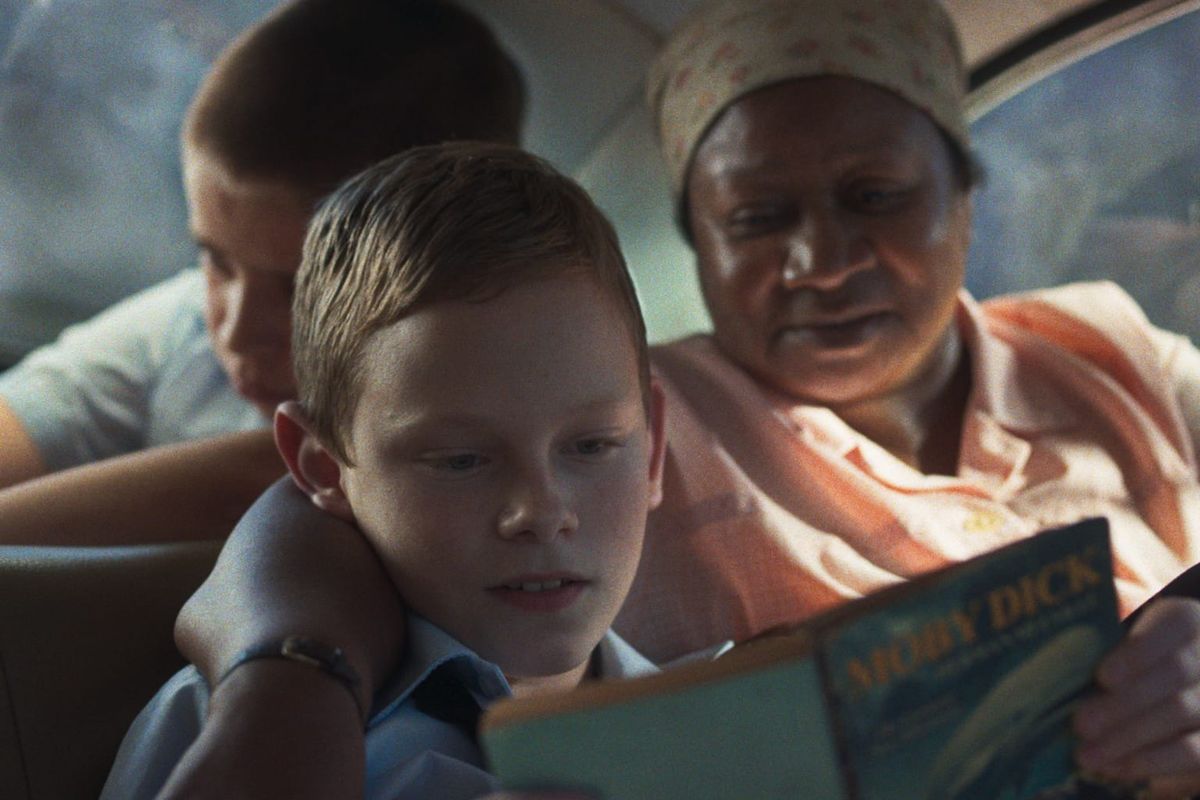
South African producer Cait Pansegrouw is attending Toronto International Film Festival with her latest feature, John Trengove’s The Smell Of Apples, which received its world premiere last night in the Platform competition section. Based on Mark Behr’s Booker Prize-nominated 1993 novel, the film follows a sheltered white boy growing up in Cape Town in the 1970s who slowly starts to understand the horrors of the Apartheid system.
Pansegrouw produced the film with Eric Abraham and Jack Sidey at UK-based Portobello Productions and Frank Hoeve at the Netherlands’ BALDR Film. There was also a Chilean producer on board, Quijote Films, which helped to cast a significant Chilean character in the film. Cercamon is handling international sales and sold the film to France’s ARP Sélection in the run-up to the Toronto premiere.
The project started life when Trengove and Abraham – who had produced an award-winning solo stage production based on Behr’s book at Cape Town’s Fugard Theatre – had a meeting and realised they both wanted to talk about adapting the book into a film. Then Covid happened, and Trengove got busy with his first US production Manodrome, but Pansegrouw, who had worked with the director on award-winning 2017 drama The Wound (Inxeba), started planning for the South African financing in a challenging local landscape.
“I thought it was going to be fairly easy to finance out of South Africa – it’s known IP, an acclaimed novel, John’s track record – but nobody wanted to touch it because of how dark it is,” Pansegrouw says. “Also there’s a bit of reluctance here these days, fatigue perhaps, to take on Apartheid era stories.”
That led her to international co-production and the Netherlands, which has been a big supporter of South African cinema, both through the Netherlands Film Fund (NFF) and Rotterdam film festival’s Hubert Bals Fund. Working with Hoeve, Pansegrouw’s long-time collaborator, the project secured financing from the NFF’s Minority Co-production scheme, along with a grant from the Common Humanity Arts Trust, which supports a wide range of cultural activities on an invitation-only basis.
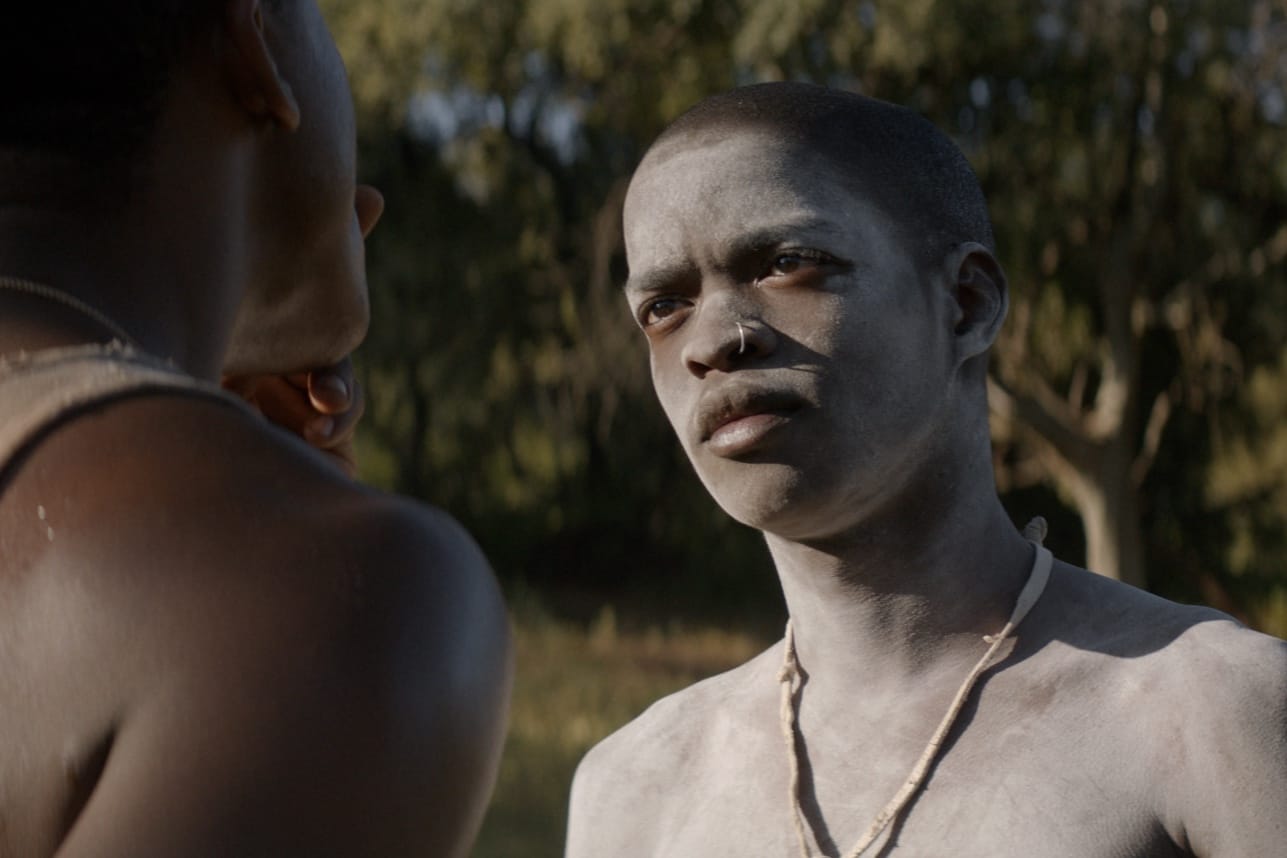
Based in Cape Town, Pansegrouw has produced an eclectic set of award-winning films, reflecting many different aspects of South African society and culture. The Wound, which premiered at Sundance film festival in 2017, revolves around the closeted relationship between two men who meet up annually to help out at a Xhosa initiation ritual. The film won a string of awards and was selected as South Africa’s Oscar entry. It did, however, meet with protests and theatre cancellations during its domestic release due to its LGBTQ+ subject matter.
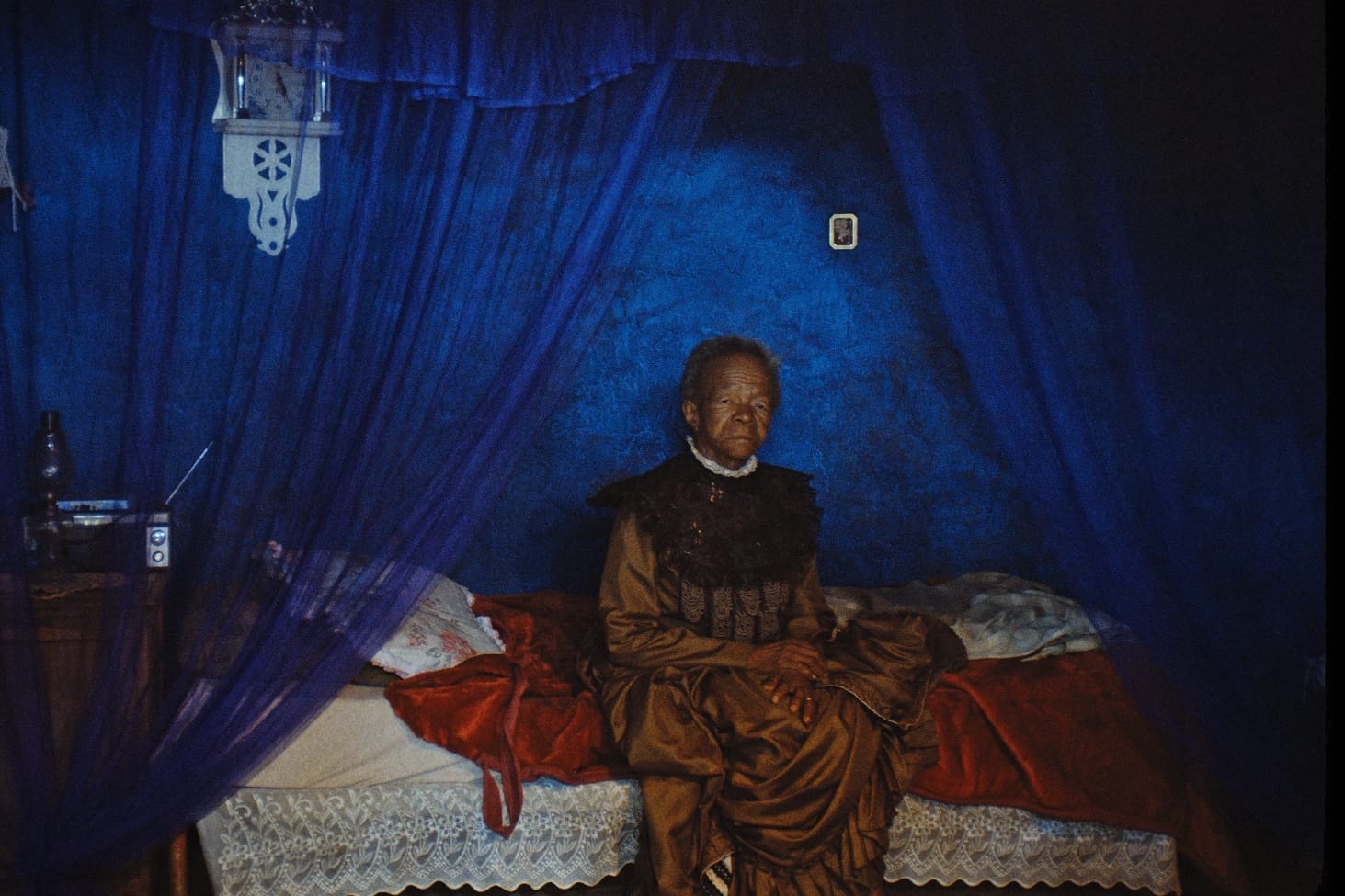
Two years later, Pansegrouw produced This Is Not A Burial, It’s A Resurrection, directed by Lesotho-born filmmaker Lemohang Jeremiah Mosese, which became the first Lesotho film ever to be submitted to the Oscars. Groundbreaking in terms of script, sound design and images, the film swept dozens of awards, including Sundance’s World Cinema Dramatic Special Jury Award for Visionary Filmmaking, and several Best Actress honours for late actress Mary Twala in one of her last roles.
Pansegrouw also recently produced Sandulela Asanda’s feature debut, Black Burns Fast, a light-hearted yet satirical queer comedy about a young Black girl navigating a predominantly white, elite South African boarding school as she experiences the pangs of first love and sexual awakening. The film premiered at last year’s Durban International Film festival and played in Berlinale’s Generation 14 Plus section this year.
None of these films followed exactly the same route to the screen. The Wound was an international co-production with multiple Dutch, French and German partners; This Is Not A Burial was made on a small budget through Biennale College, and Black Burns Fast was financed through a pre-sale to Prime Video.
“I’ve been fortunate to collaborate with incredible people and I’ve worked hard to find ways to make the kind of films I want to make; you just have to be tenacious and innovative in your thinking,” says Pansegrouw, adding that the first step is always the hardest, because it’s so difficult to find that first investor to take a leap of faith.
South Africa does have a funding agency, the National Film and Video Foundation (NFVF), but as in some other territories, its agenda does not always align with the vision of internationally focused arthouse film producers. So while the fund has supported some of her projects, it’s usually been much later in the production process.
On the other hand, she’s also had access to development funding from Thuthuka, a joint initiative of the Netherlands Film Fund and NFVF, which she credits as being crucial to getting some of her projects off the ground and being able to develop her films sustainably.
South Africa also has a production incentives scheme, managed by the Department of Trade, Industry and Competition (DTIC), which in theory offers up to 30% of qualifying spend for foreign productions and up to 40% for co-productions. However, the scheme has not been accepting or adjudicating applications for almost two years.
That has created some issues for the country’s highly respected services sector, which has worked on international shoots including One Piece, The Woman King and Mad Max: Fury Road. It’s been even more damaging for smaller, independent producers. However, the local film industry coalition has been working through the impasse with the DTIC and it’s hoped the incentive will be back up and running before Berlin’s European Film Market, where South Africa has been designated as the official Country in Focus.
“A lot of industry thought leaders have been working closely with the Ministry of Sports, Arts and Culture and it feels like their hard work has really paid off,” Pansegrouw says. “So the wheels are finally turning, although there’s a big backlog to sort out before new projects can start applying.”
Meanwhile, another potential source of finance – the global streamers – quit Africa a few years ago, not long after they entered, with the exception of Netflix, which is still backing a slate of local films and series. Pansegrouw says she was lucky to have pitched Black Burns Fast to the international team of Prime Video, as the local originals slate was cancelled when Prime Video pulled out of the market in early 2024.
In addition, South Africa’s homegrown streaming platform Showmax is being absorbed into Canal Plus following its acquisition of MultiChoice, and so far there’s not been much news on the French media giant’s local production strategy.
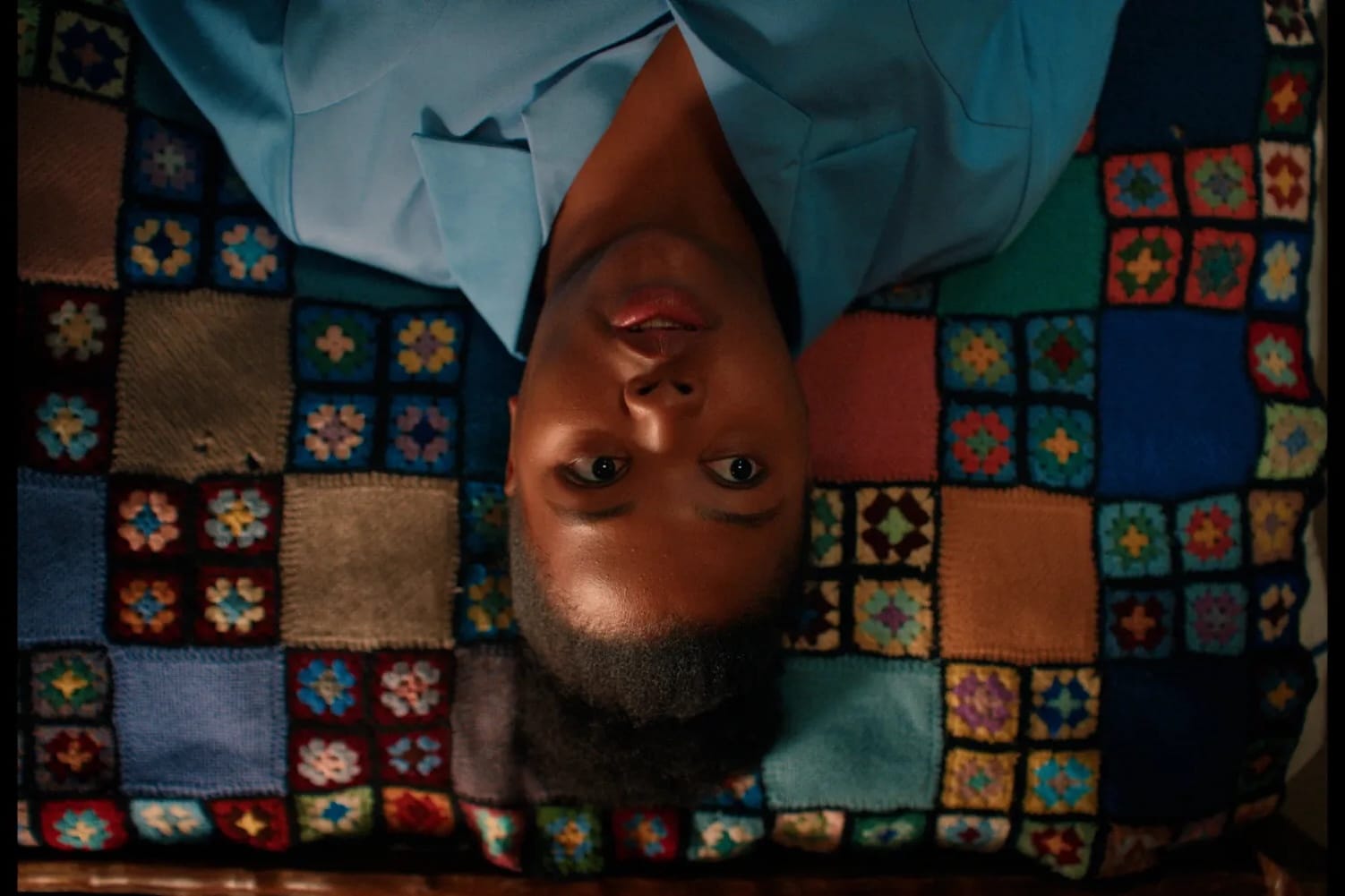
Beyond these business and logistical roadblocks, Pansegrouw says there’s still a process of decolonisation in filmmaking and storytelling that needs to happen because South African institutions still tend to emulate the Hollywood model. “We have incredibly specialised crews here that can do all kinds of amazing work, at least on international productions, but we don’t have the budgets to compete with Hollywood ourselves, and in my opinion that’s not what we should be striving for,” she says.
“It starts at the educational level; and while I’m very grateful to have had the opportunity to go to film school, some of the most important friendships I have were forged there, we spent most of our time watching Hollywood movies. I don’t think we watched a single film not in the English language in three years, which is disappointing since film school should be about discovering your voice and working out who you are as a filmmaker.”
She adds that one way forward for the local industry to reinforce its own identity would be to collaborate with other African film industries, but again there are all kinds of obstacles that prevent that from happening. Only a handful of African countries currently have national support programmes; the continent is segmented between Francophone, Anglophone and Arabic-speaking regions; and on a practical level, it’s not cheap to fly between African nations, something that makes it difficult to bring in crew or personnel to work on post.
However, Pansegrouw and similarly minded African producers are working on a range of solutions. She is one of the co-founders of the Realness Institute – a pan-African incubator that is developing financial instruments that would enable African producers to co-produce on the continent, as well as with Europe. “This is a conversation that is very much alive amongst African producers – how do we become less reliant on the West or the Global North and create other avenues,” Pansegrouw says.
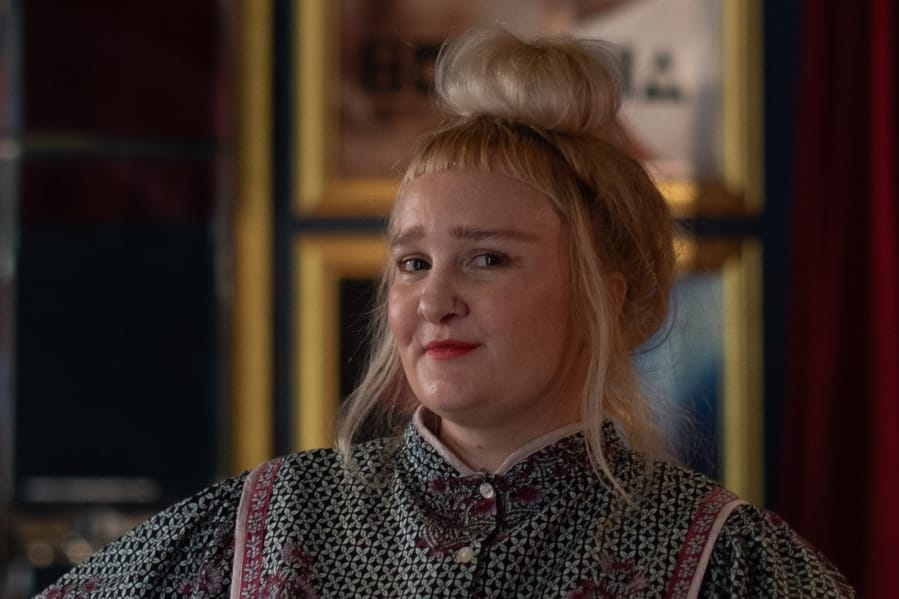
“The Wound did every lab and residency known to man, but mostly in Europe, and we were always the token African project, which is weird for me to say because we were a white team,” she continues. “I know from my Black colleagues that it's very difficult to be the token African in those spaces, where you’re told that if you want to get into festivals, these are the kinds of films you need to make.
“I also think what’s difficult, and this is true the continent over, and perhaps also in Asia, is when your continent is treated as a country – we’re all fighting for the same pots of money; everyone’s working in silos, and I feel like this is one of our biggest problems, and why we're not gaining momentum or moving as fast as we could.”
She explains that the Realness Institute was established to overcome some of these issues through a series of labs, training schemes and networking programmes: “We wanted to create a space for Africans, and led by Africans that understand the landscape here, but also understand what their options are in Europe or the US or wherever.” Programmes include ‘Indaba’, a content incubator and business accelerator for creative producers, and the ‘Authentica’ screenwriting lab for television writers.
And do African producers have any interest in also looking east and working with Asia? Pansegrouw says she enjoys watching Asian cinema, and encourages younger African filmmakers to do the same, especially as it presents so many different kinds of storytelling. “What I appreciate about it is that there’s no three-act structure and Asian filmmakers blend reality with dreamscapes so effortlessly. It's a very experiential kind of cinema.
“By the same token, I’d also encourage young filmmakers to explore African film history,” she continues. “Go back to Senegalese cinema from the ‘70s – filmmakers like Safi Faye and Ousmane Sembène – that’s what should be inspiring you. There are many different styles of storytelling and we shouldn’t all be looking at it in the same way. Each voice is valid.”
Following its world premiere last night, The Smell Of Apples is screening at the Scotiabank Theatre Toronto today (September 12) and again on Friday, September 18.
IN THE TRADES:
LUMIERE SUMMIT:
Lumière declaration on the future of cinema and the moving image
France & Korea Pledge $1.16B For Global Screen Industries At South Of France Cinema Summit
Did the Lumière Summit deliver on its lofty ambitions?
AWARDS SEASON:
 Liz Shackleton
LAB & FUNDING NEWS:
Boo Junfeng, Diep Nguyen Hoang & Vincci Cheuk Projects Selected For Tokyo Gap Financing Market
Taiwan’s Golden Horse FPP Unveils 48 Projects For Features Section
TCCF Launches Four New Prizes; Unveils 70 Selections Across Projects & Stories
PRODUCTION NEWS:
New Zealand Set to Unveil Tri-Nation Indigenous Co-Production Initiative at Toronto
‘Magical Girl Revolution’ starring ‘Train To Busan’s Kim Su-an begins South Korea shoot
Law Kar-ying, Paw Hee-ching to Topline Sri Kishore’s Cantonese Opera Drama ‘The Grand Tribute’
Thai-Taiwanese Horror Slate Unites Fearfolks and Studio76 in Three-Picture Deal
Trisha Krishnan Toplines Panorama Studios’ First Tamil Film, a Psychological Horror Shot in London
Kartik Aaryan’s ‘Captain India’ Sets September London Shoot
Warner Bros Discovery Strikes Turkish Scripted Deal With Local Media Giant Dogus
CORPORATE:
MAD Solutions & IRTH Strike Pan-Arab Development & Production Strategic Partnership
NBCUniversal, U-Next Ink Sweeping Japan Partnership Spanning Streaming and Theme Parks
CURATED:
RELEASED:
Sony Sets Release Date For Indian Epic ‘Ramayana’ With Ranbir Kapoor, Yash & Sai Pallavi
‘The Odyssey’ crosses 10 million admissions in South Korea, breaks Imax records
Kogonada’s ‘Zi’ Sets Korean Distribution With Atnine Film Ahead of Busan Asian Premiere
‘Kung Fu Soccer’ Tops as China’s Summer Box Office Hits $1.86 Billion
Lionsgate Strikes Promotional Partnership With Indian Action Star Yash
SOLD:
John Trengove’s ‘The Smell Of Apples’ Sells To France Ahead Of TIFF Debut
Quiver Distribution Takes U.S. For Jérémy Comte’s Ghana & Canada-Set Drama ‘Paradise’
Pang Brothers’ horror ‘The Mage’ acquired for Taiwan, Southeast Asia release
Herman Yau’s Audience Award-Winner ‘We’re Nothing At All’ Sold To Blacklight Global For U.S. Release
‘Paradise Lost’ From ‘Train to Busan’ Director Yeon Sang-ho Acquired by Well Go USA Entertainment
Olive Nwosu’s Sundance prize winner ‘Lady’ picked up for UK-Ireland
Korea’s Finecut Sells Toronto Title ‘Long Long Night’ & July Jung’s ‘Dora’ To Japan
Banjong Pisanthanakun horror ‘Inherit’ scores wave of sales ahead of Toronto premiere
Thailand’s Jungka Studio moves into sales, sells MMA film ‘God Skin’ to North America
STREAMING UPDATES:
JioHotstar Streaming Service Goes Global With Launches Across UK, Canada & Singapore
Asia Surpasses North America and Europe to Lead in Streaming Scripted Series Orders
HBO Max To Launch In Japan As Hub Within Prime Video & Hulu
Disney+ Sets Premiere For Korean Drama Series ‘The Remarried Empress’
Netflix Sets Lee Jung-eun, Kim Moo-yul for Korean Action-Noir Series ‘The Shooter’
Korea’s Showbox Launches Microdrama Label Showbite, Sets Sights on Global Markets
![Agent Kim Reactivated [Credit: SBS]](https://storage.ghost.io/c/f6/3b/f63bba50-4e07-4fdb-a685-47f18f3c5b84/content/images/size/w600/format/webp/2026/10/Agent-Kim-Reactivated.jpg)